
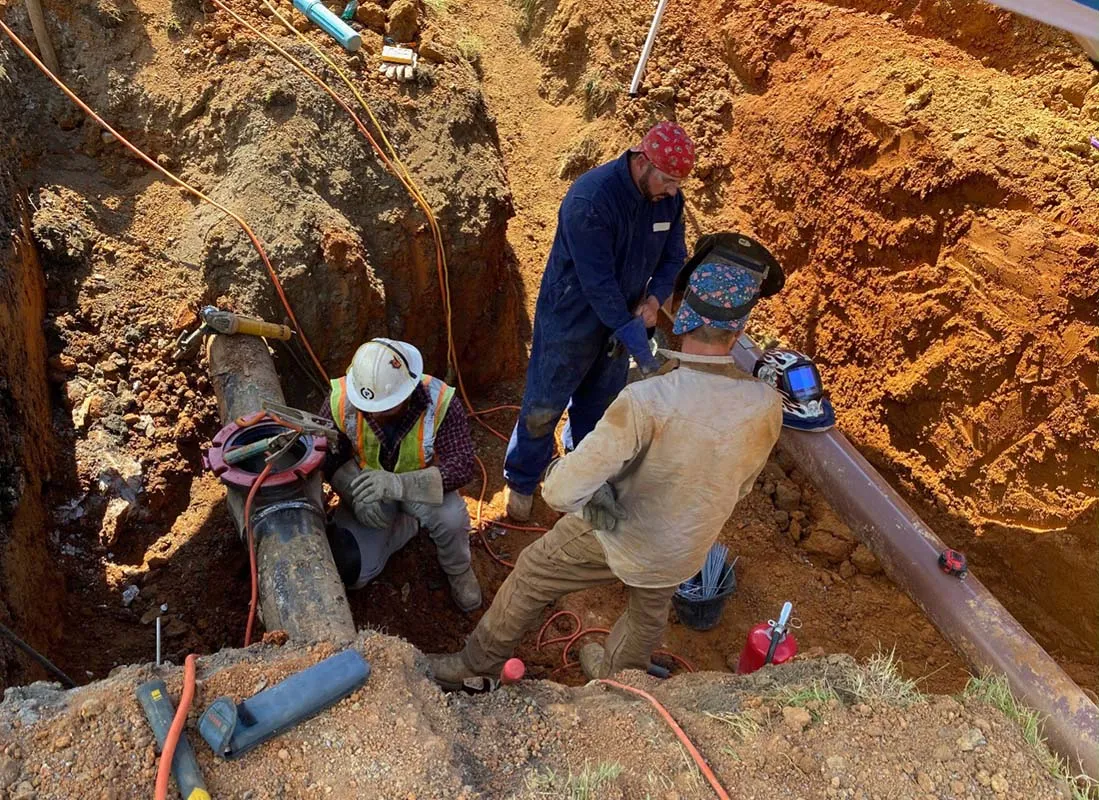
As geopolitical tensions escalate in Eastern Europe and the Middle East, Hungary has taken significant measures to protect its natural gas infrastructure. On April 6, 2026, the Hungarian government placed the gas pipeline under military protection following the discovery of explosives near the pipeline that carries Russian natural gas into the country. This decision comes amidst accusations of a false-flag operation, with Hungarian officials expressing grave concerns about the security of their energy lifeline.
Just days before this development, on April 1, reports emerged that explosives were found near the pipeline, prompting immediate action from the Hungarian authorities. Viktor Orbán, the Prime Minister of Hungary, emphasized the importance of the pipeline, stating, “This pipeline is important, it is our lifeline.” The heightened security measures reflect the increasing political tensions in Hungary, particularly with an upcoming election and allegations of foreign interference.
In the broader context, the energy landscape in Europe is shifting. Greece has seen a remarkable surge in natural gas exports, which quadrupled in the first quarter of 2026, reaching 5.99 terawatt-hours compared to just 1.44 terawatt-hours in the same period the previous year. This increase is part of a larger trend, as total natural gas demand in Greece rose to 26.42 terawatt-hours, an 18.5% increase from the first quarter of 2025.
Meanwhile, tensions have also flared in the Middle East, where Israel launched an attack on Iran’s South Pars natural gas complex, targeting facilities crucial for Iran’s petrochemical production. Benjamin Netanyahu, the Israeli Prime Minister, declared, “Today we destroyed the largest petrochemical plant in Iran,” highlighting the attack’s significance. This assault has severely impacted Iran’s energy sector, with 50% of its petrochemical production and 85% of its exports affected.
Iran, the fourth-largest consumer of natural gas globally, heavily relies on gas for electricity production and heating. The country exported 9 billion cubic meters of natural gas, while Qatar, a major competitor, exported 120 billion cubic meters. The implications of these attacks on Iran’s energy infrastructure remain uncertain, particularly as tensions escalate between Iran and other regional players.
Details remain unconfirmed regarding the exact nature and origin of the explosives found near Hungary’s pipeline. The situation is fluid, and the geopolitical landscape surrounding natural gas supply routes is increasingly complex. As Hungary fortifies its energy infrastructure, the interplay between regional powers will continue to shape the future of natural gas in Europe and beyond.