
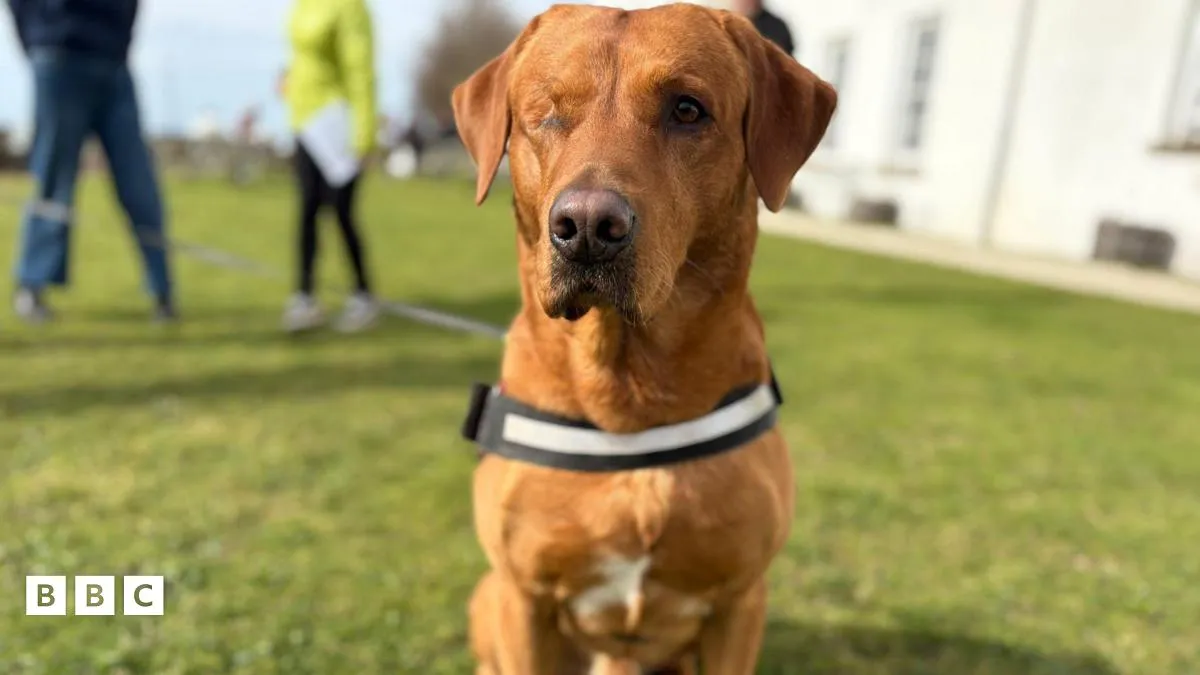
In recent developments within the realm of animal conservation, Woody, a specially trained red fox labrador, has made significant strides on Rathlin Island, Northern Ireland. This dedicated conservation dog, known for wearing goggles while working, played a crucial role in eliminating ferrets that posed a threat to the island’s seabird populations. Thanks to Woody’s efforts, the island is now ferret-free, and experts anticipate a resurgence in the local seabird populations.
Meanwhile, the situation surrounding Samba, an escaped capybara from a Suffolk zoo, has captured public attention. Capybaras, the largest rodents in the world, are typically found in South America, making Samba’s presence in the UK particularly unusual. The last confirmed sighting of Samba was near the River Itchen, where she was seen swimming away, prompting a dedicated search effort.
A specialist dog unit has joined the search for Samba, with a zoo spokesperson stating, “This has led us to a reduced search area, not far from where she was originally sighted, which has meant we could better deploy thermal drones to try and locate her.” The zoo team remains committed to ensuring Samba’s safe return, emphasizing their determination to do everything possible to bring her home.
As these two stories unfold, they highlight the ongoing challenges and successes in wildlife conservation efforts. The elimination of invasive species like ferrets is crucial for protecting native wildlife, while the search for Samba underscores the complexities involved in managing exotic animals in non-native environments.
Looking ahead, conservationists and wildlife officials are optimistic about the future of Rathlin Island’s seabirds, while the search for Samba continues to engage the community and raise awareness about wildlife management issues. The commitment to animal conservation remains strong, with both successes and challenges shaping the narrative of wildlife protection in the region.