
Who is involved
The attack on Pearl Harbor on December 7, 1941, marked a critical inflection point in American history. Prior to this event, the United States maintained a policy of isolationism, largely avoiding direct involvement in the escalating conflicts in Europe and Asia. The prevailing expectation was that the U.S. could remain detached from the war, focusing instead on domestic issues and economic recovery from the Great Depression. However, this perception was shattered in a matter of hours, as the Japanese Imperial Navy launched a surprise attack on the U.S. naval base in Hawaii.
In the early morning hours of December 7, the tranquility of Pearl Harbor was violently disrupted. The attack resulted in the deaths of 2,403 Americans, with 1,177 sailors from the USS Arizona alone losing their lives. This catastrophic event not only decimated the U.S. Pacific Fleet but also galvanized public opinion in favor of entering World War II. The immediate aftermath saw the sinking or damaging of multiple battleships, with the USS Arizona and USS Oklahoma being the only two battleships that did not return to service after the attack.
The direct effects of the Pearl Harbor attack were profound and far-reaching. The United States declared war on Japan the following day, marking its formal entry into World War II. This decision transformed the nation’s military and political landscape, leading to a full-scale mobilization of resources and manpower. The attack also united the American public, who rallied around the cause of defeating the Axis powers. The Pearl Harbor Memorial today stands as a solemn reminder of the lives lost and the sacrifices made during this pivotal moment in history.
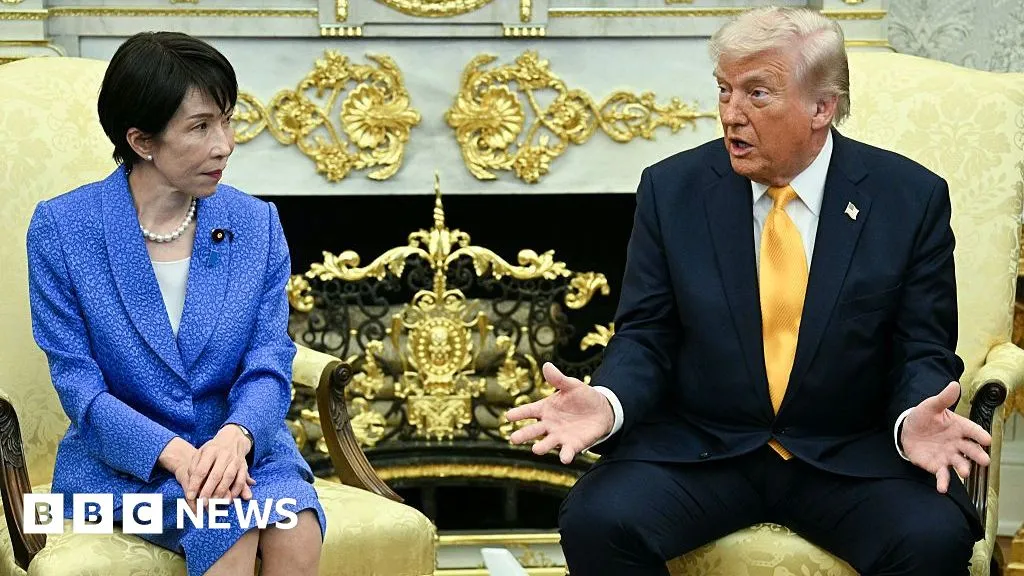
Fast forward to contemporary times, and the legacy of Pearl Harbor continues to resonate. Recently, former President Donald Trump made headlines when he referenced the attack during a meeting with Japanese Prime Minister Sanae Takaichi. In a moment that many found inappropriate, Trump joked, “Who knows better about surprises than Japan?” This comment drew criticism and discomfort, particularly from Takaichi, who appeared visibly uneasy. The juxtaposition of such a historical tragedy with modern political banter highlights the ongoing complexities of U.S.-Japan relations.
Trump’s remarks also included a comparison of Japan’s attack on Pearl Harbor to his own controversial plans regarding Iran, stating, “Why didn’t you tell me about Pearl Harbor?” This statement not only trivializes a significant historical event but also raises questions about the sensitivity required when discussing such topics. The discomfort expressed by Takaichi underscores the delicate balance of historical memory and contemporary diplomacy.
Experts emphasize the importance of understanding the historical context of Pearl Harbor and its implications for current international relations. The attack was not merely a military engagement; it was a catalyst for change that reshaped U.S. foreign policy and military strategy. The Pearl Harbor Memorial serves as a reminder of the sacrifices made and the lessons learned, emphasizing the need for vigilance in international affairs.
As the world reflects on the events of Pearl Harbor, it is crucial to acknowledge both the historical significance and the contemporary ramifications of this pivotal moment. The attack not only altered the course of World War II but also continues to influence U.S. relations with Japan and other nations. The legacy of Pearl Harbor remains a testament to the complexities of war, peace, and the enduring impact of history on present-day politics.