
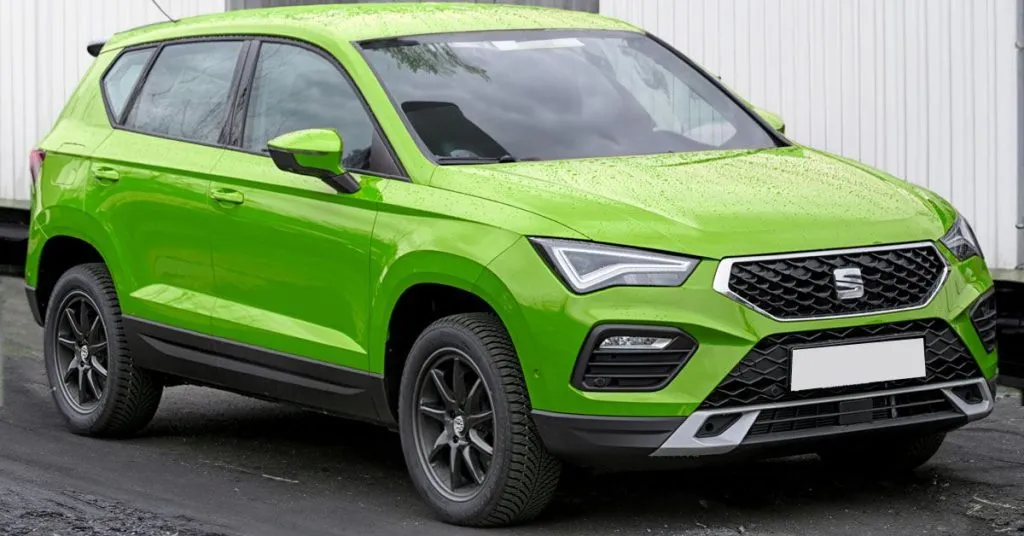
The withdrawal of the Seat Ateca and Cupra Ateca from the UK market marks a significant turning point for the brand, which has seen both models contribute to its presence in the competitive SUV segment for nearly a decade. The Seat Ateca, introduced in 2016, and its performance-oriented counterpart, the Cupra Ateca, launched in 2018, have been pivotal in establishing Seat’s foothold in a market that has since become increasingly crowded.
After 10 years on sale for the Seat Ateca and 8 years for the Cupra Ateca, the decision to pull these models reflects a broader strategic shift within the company. A spokesperson for Seat and Cupra stated, “The move reflects local market decisions and ensures alignment with Seat’s evolving range.” This indicates a conscious effort to adapt to changing consumer preferences and market dynamics.
While the Ateca will still be available in other markets, including Spain, it will only be offered in a single trim level. This reduction in availability underscores the brand’s focus on streamlining its offerings as it prepares for a future dominated by electrification. By 2028, the entire Seat range is expected to be renewed with electrified options, including mild-hybrid versions of the Ibiza and Arona anticipated as early as 2027.
The Ateca’s absence from this electrification roadmap is telling. As Seat repositions itself as an affordable mobility brand, it appears that the Ateca’s role has been effectively supplanted by newer models such as the Formentor and Terramar, which align more closely with the brand’s future direction. The spokesperson noted, “The entire Seat range will be renewed with electrified options by 2028,” highlighting the urgency of this transition.
Both the Seat Ateca and Cupra Ateca are now only available from remaining stock in the UK, which raises questions about the future of these models in other regions. The Ateca’s exit is described as less a failure and more a reflection of the relentless pace of change in the automotive world. This sentiment captures the broader industry trend where traditional combustion engines are rapidly being overshadowed by electrified alternatives.
As the automotive landscape evolves, the move to discontinue the Ateca in the UK market may signal a larger trend of manufacturers prioritizing electrification over established models. The decision is not just about the Ateca itself but rather a strategic pivot for Seat as it navigates the complexities of modern automotive demands.
Further updates regarding the Ateca will be communicated in due course, but for now, the uncertainty surrounding its future availability and potential electrification remains. Details remain unconfirmed, leaving enthusiasts and consumers alike to ponder the implications of this significant shift.