
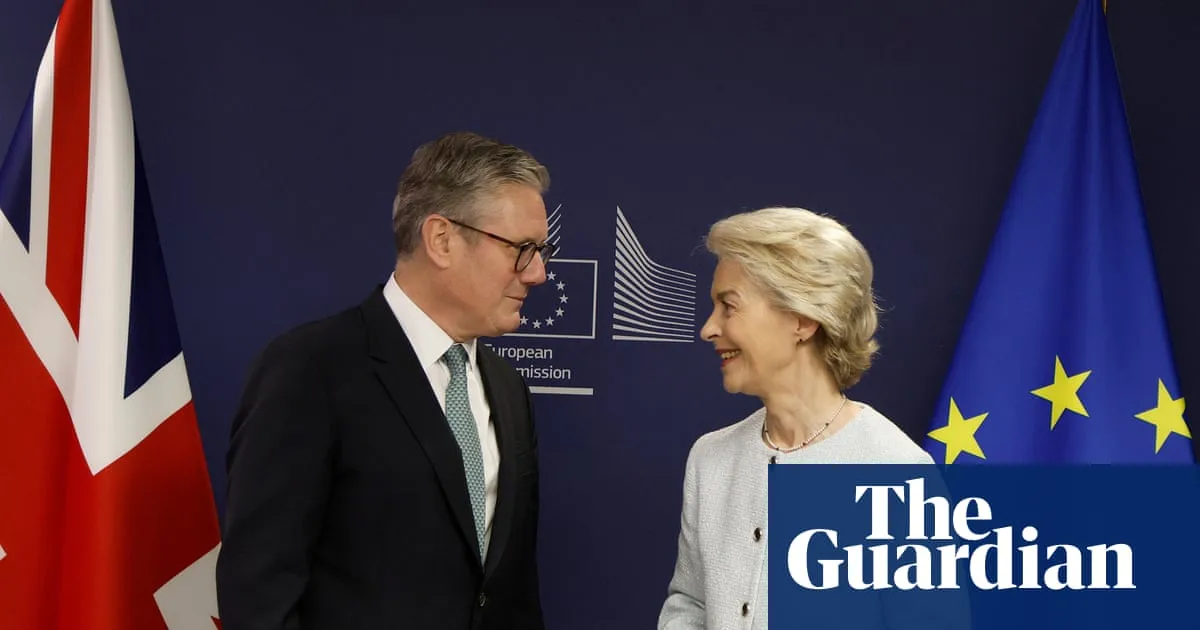
The UK is seeking to improve diplomatic and economic ties with the EU after the ‘reset’ deal was announced last May. In a significant development, ministers are planning to reshape Britain’s relationship with the EU through new legislation that could result in the UK signing up to EU single market rules without a parliamentary vote. This move is seen as a potential shift in the post-Brexit landscape.
The new bill will empower the UK to quickly implement evolving single market rules if deemed to be in the national interest. This legislative approach is facilitated by so-called Henry VIII powers, which allow ministers to approve laws without full parliamentary scrutiny using secondary legislation. While parliament can either approve or reject this secondary legislation, it cannot amend it, raising concerns about the erosion of parliamentary oversight.
The introduction of these sweeping powers is likely to put the government on a collision course with opposition parties. Critics argue that this could amount to “integration with the EU by stealth,” undermining the sovereignty that was a key argument for Brexit. Andrew Griffith, a prominent figure in the government, expressed concerns, stating, “Parliament reduced to a spectator while Brussels sets the terms is exactly what the country rejected.”
In contrast, the government claims that the move will cut red tape and costs for businesses, which have faced significant challenges since Brexit. The Office for Budget Responsibility has estimated that Brexit will reduce long-run productivity by 4% and decrease exports and imports by 15% relative to remaining in the EU. This context underscores the urgency for the government to negotiate new deals to bolster the economy.
The EU remains the UK’s largest trading partner, with nearly half of total trade expected to be with the EU in 2024. As part of the new bill, the government is negotiating deals on food and drink, which could generate an estimated £5.1 billion a year, and emissions trading. These negotiations are critical as the UK seeks to navigate its post-Brexit economic landscape.
Initial reactions from key parties have been mixed. While some government officials assert that the new legislation is necessary for economic recovery, opposition voices have raised alarms about the implications for democratic accountability. Prof Anand Menon noted, “The reality of this is we are signing up to a deal with the European Union that commits us to follow their rules, whether we like it or not.”
The bill is expected to be introduced before the summer of 2026, and observers are closely monitoring how this will unfold. The shadow business secretary has criticized the government’s approach, stating that it reduces parliament to a spectator role. As negotiations continue, the balance between economic necessity and parliamentary sovereignty remains a contentious issue.