
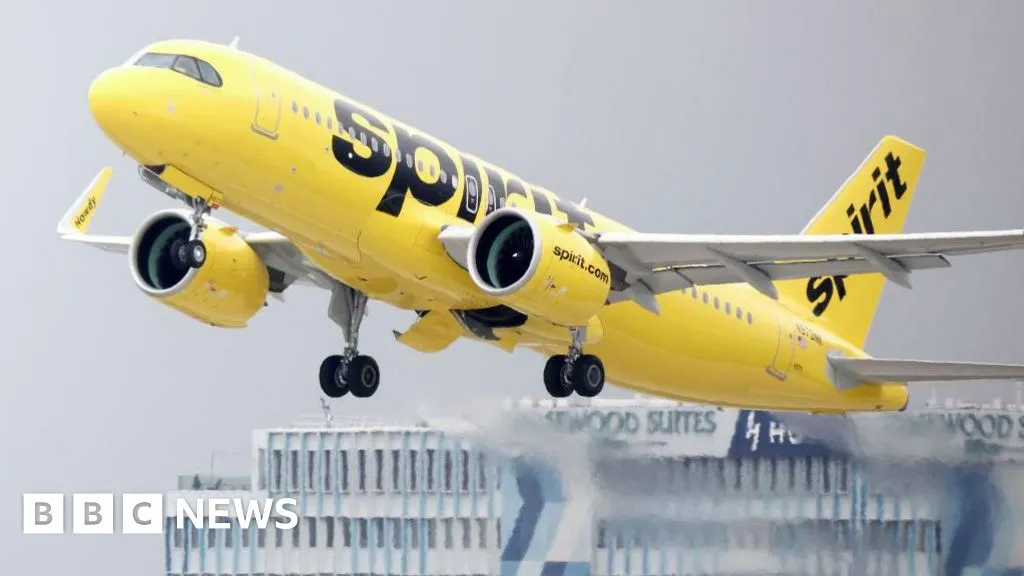
On May 2, 2026, Spirit Airlines, a significant player in the U.S. airline industry, abruptly ceased operations after failing to secure a government bailout amid soaring jet fuel prices. This sudden closure has left thousands of passengers without flights and raised questions about the future of low-cost airlines in America.
Key statistics:
- Spirit Airlines had 4,119 domestic flights scheduled between May 1 and May 15, offering 809,638 seats.
- At one point, the airline accounted for 5 percent of all U.S. flights.
- The Trump administration proposed a $500 million bailout, which ultimately did not materialize.
The airline’s collapse stems from various factors, including a doubling of jet fuel prices during the ongoing Iran war. According to Spirit Airlines officials, these rising costs significantly impacted their financial outlook. The company stated, “Unfortunately, despite the Company’s efforts, the recent material increase in oil prices and other pressures on the business have significantly impacted Spirit’s financial outlook.” This statement underscores the broader challenges faced by airlines in an increasingly volatile economic environment.
Transportation Secretary Sean Duffy advised passengers not to go to airports as there would be no assistance available. He remarked, “If you have a flight scheduled with Spirit Airlines, don’t show up at the airport; there will be no one here to assist you.” This warning highlights the immediate consequences of Spirit’s operational halt and raises concerns about passenger refunds and future support.
The airline’s last flight landed at Dallas Fort Worth International Airport from Detroit Metropolitan Airport, marking the end of its operations that began in 1983 as Charter One Airlines. Over its 34 years of service, Spirit had built a reputation for low-cost travel options but struggled to maintain profitability amidst rising operational costs.
In light of these developments, stakeholders within the airline industry are left pondering what this means for future low-cost carriers. As one creditor close to the deal noted regarding the bailout efforts: “The Trump administration made an extraordinary effort to try and save Spirit, but you can’t breathe life into a corpse.” This sentiment reflects a growing concern about the viability of similar airlines facing economic headwinds.