
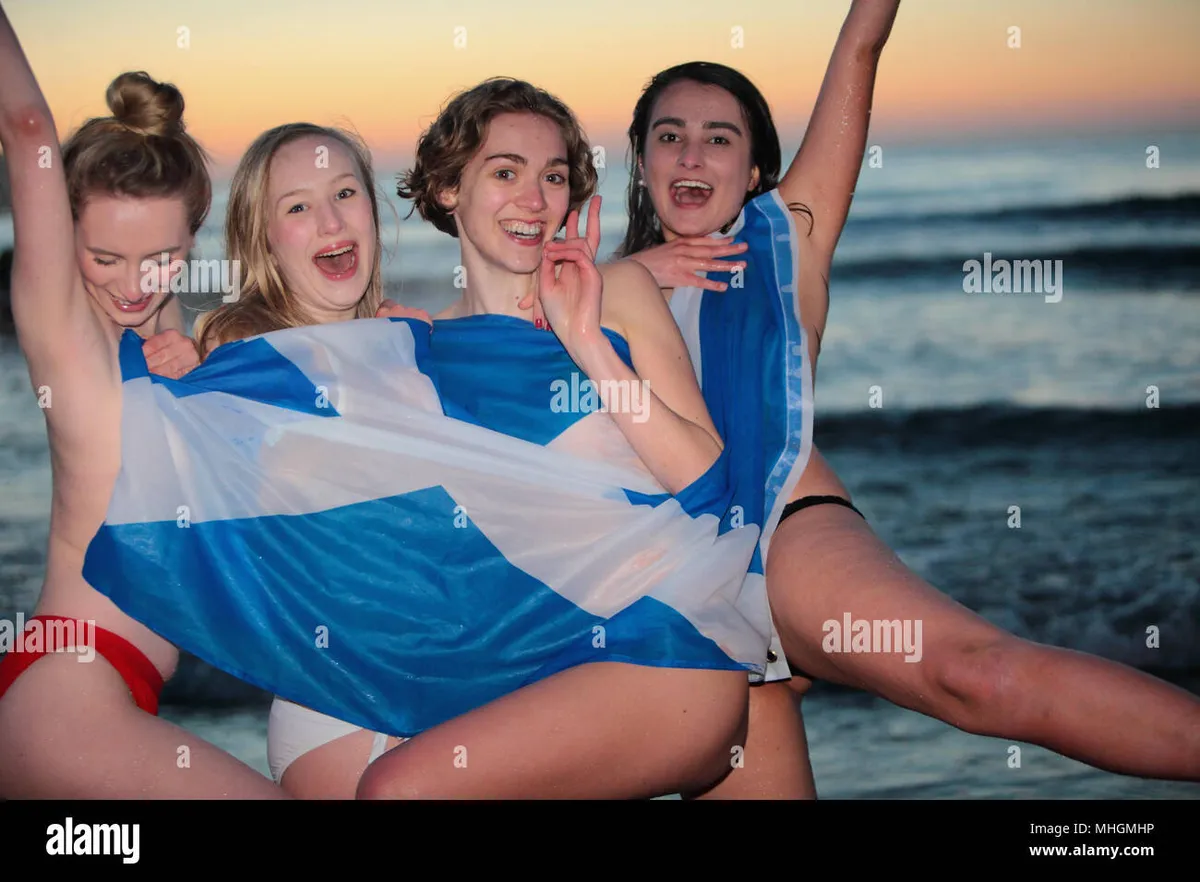
On May 1, 2026, hundreds of students from St Andrews University participated in the traditional May Dip at East Sands, a ritual intended to bring good luck in exams and cleanse academic sins. However, this year’s event has sparked significant discomfort among participants due to the presence of photographers who focus on capturing images of female students in swimwear without their consent.
The May Dip, which involves students gathering at dawn to run into the North Sea, has long been a cherished tradition at St Andrews. Yet, as the event has grown in popularity, so too has the interest from media and photographers. Sources indicate that many students feel uncomfortable being photographed during such a vulnerable moment. Anna, a participant, stated, “It felt like it was just girls in bikinis getting pictures taken,” reflecting a sentiment shared by several others.
Concerns about body image further complicate the issue. According to recent reports, more than 60% of adults in the UK report negative feelings about their body image. This statistic resonates deeply within the context of the May Dip, where students are exposed to public scrutiny and unsolicited attention. Olivia, another student, remarked, “They know what they’re doing; they know exactly who they’re picking out,” emphasizing the targeted nature of this photography.
The university administration has acknowledged these concerns and has warned students about the presence of press photographers at the event. Nevertheless, many participants feel that these warnings do not adequately address their discomfort. Anna expressed her frustration by saying, “To have comments on your body just feels really repulsive,” illustrating how such experiences can mar what is intended to be a celebratory occasion.
This year’s May Dip also carries historical significance as it is believed to be one of the only cures for the legendary curse of Patrick Hamilton—a narrative that adds an intriguing layer to this longstanding tradition. The Gaudie torchlit procession held annually on April 30 commemorates John Honey’s heroic act of rescuing crew members in 1800 and serves as a prelude to this much-anticipated student ritual.
As conversations around consent and body image continue to evolve within educational institutions, observers are left pondering how future iterations of the May Dip might adapt in response to these pressing concerns. While some students advocate for stricter regulations regarding photography during such events, no concrete measures have yet been proposed.
The complexities surrounding this issue illustrate a broader societal challenge regarding personal boundaries and respect within public spaces—especially during moments that hold significant cultural meaning.