
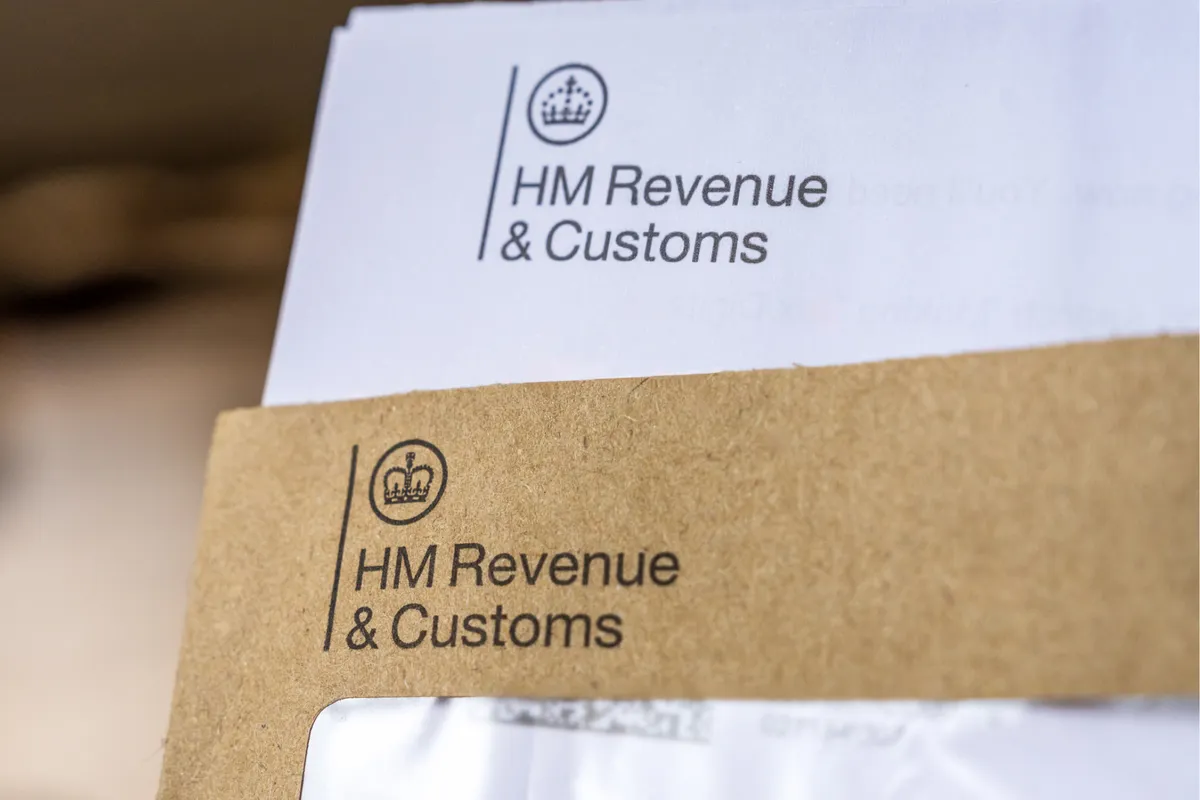
In a troubling development for taxpayers across the United Kingdom, over 170,000 individuals have missed out on tax refunds averaging £800 each due to uncashed cheques and various administrative issues. This revelation comes as the HM Revenue and Customs (HMRC) grapples with the complexities of managing tax refunds in an increasingly digital age.
According to recent reports, HMRC issued a total of 1.7 million cheques last year, but a staggering 178,180 of these cheques were never cashed. The total value of these unclaimed refunds amounts to a significant £144 million, highlighting a critical gap in the communication and processing of tax refunds that affects a considerable number of taxpayers.
Most taxpayers typically receive a P800 letter around June, following the end of the tax year in April, which informs them of any overpayment and potential refunds. However, many individuals may not be aware of the necessity to cash these cheques promptly, leading to a substantial number of unclaimed funds. Common reasons for overpaying tax include incorrect tax codes, job changes, and early pension payments, which can complicate the refund process.
In recent years, HMRC has been actively working to reduce the number of cheque payments it issues. The number of cheques dropped from 4.1 million in the 2023-2024 tax year to just 1.7 million in 2024, reflecting a shift towards more efficient payment methods. The majority of PAYE repayments are now issued via bank transfer, which is touted as the quickest and most secure way for customers to receive their money.
Despite these advancements, the reliance on cheques remains a point of contention. Robert Salter, a tax expert, expressed concerns, stating, “It is certainly a bit problematic that HMRC continues to use cheques to settle tax refunds in so many cases.” This sentiment underscores the frustrations of many taxpayers who find themselves navigating a system that still employs outdated methods of payment.
For those who have not cashed their cheques, HMRC allows taxpayers to request a replacement cheque if the original remains uncashed after six months. However, the process can be cumbersome, and many individuals may not be aware of this option. Furthermore, there is a nine-year time limit for verifying rebates, adding another layer of complexity to the situation.
In light of these developments, HMRC has reiterated its commitment to improving the efficiency of tax refunds. A spokesperson stated, “The vast majority of PAYE repayments are issued via bank transfer, which is now the default option, and the quickest and most secure way for customers to receive their money.” This shift aims to minimize the issues associated with uncashed cheques and streamline the refund process for taxpayers.
As the UK continues to navigate the challenges of tax administration, the significant number of unclaimed tax refunds serves as a reminder of the importance of clear communication and efficient processes. With ongoing efforts to modernize payment methods, it remains to be seen how HMRC will address these issues moving forward.