
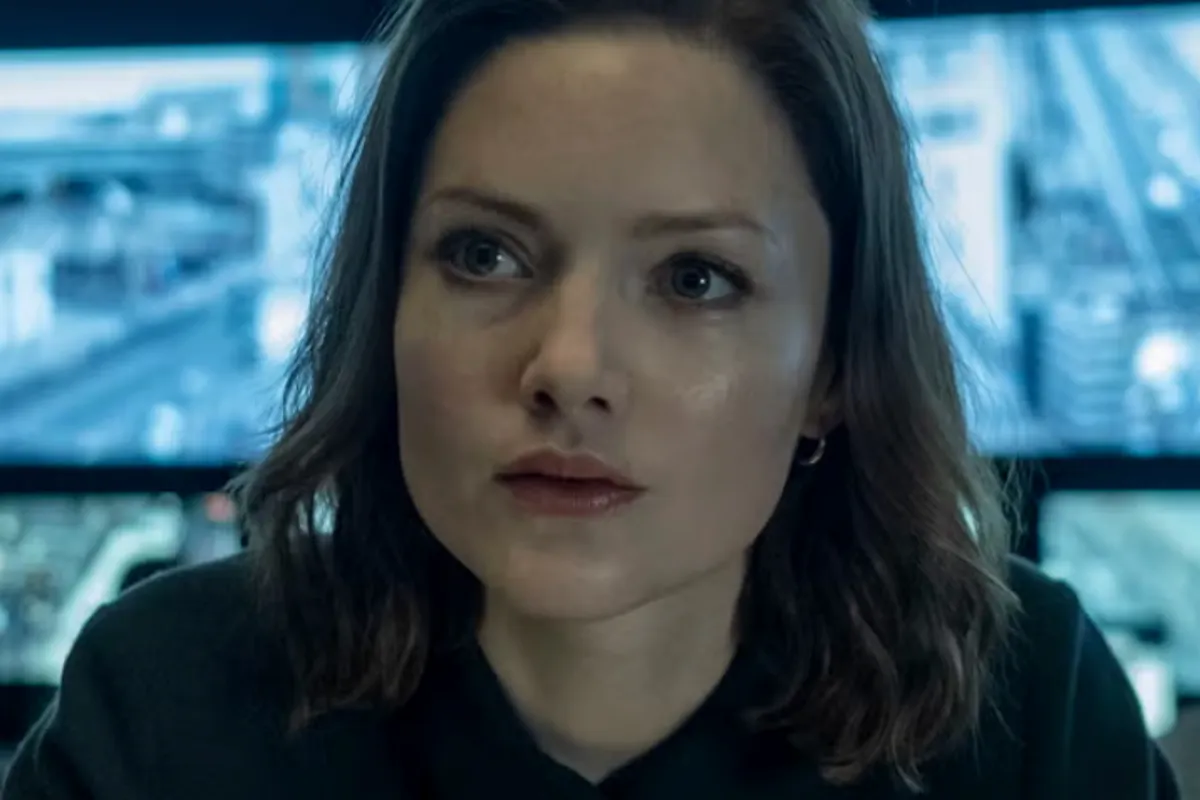
The Impact of The Capture’s Third Season
The third season of The Capture premiered on March 8, 2026, continuing to explore the profound implications of deepfake technology in a gripping thriller context. The show has gained significant attention, particularly for its realistic portrayal of technology and its potential consequences on crime and justice.
Since its debut in 2019, The Capture has captivated audiences, averaging 5.66 million viewers in its first year. The series has been praised for its intricate plot, which involves characters being framed for crimes they did not commit through manipulated footage. This narrative has become increasingly relevant as advancements in technology have made such scenarios more plausible.
Holliday Grainger, who plays the lead role of DI Rachel Carey, noted that the rapid evolution of technology has made the themes of the show resonate more profoundly with viewers. “The technology has evolved so quickly that the first series is almost passé,” she remarked, highlighting the show’s timely relevance.
The series has introduced new characters each season, with different actors portraying those who find themselves ensnared in the web of deceit created by deepfake technology. This ongoing evolution keeps the storyline fresh and engaging, as each character’s plight reflects real-world concerns about digital manipulation.
In its second year, the average viewership dipped to 3.81 million, yet the show’s ability to spark discussions around its themes has solidified its place in contemporary television. The narrative has drawn comparisons to other popular series like Luther and Line of Duty, both known for their intense storytelling and complex characters.
Ben Chanan, the show’s creator, expressed satisfaction with the progression of the series, stating, “Three is a nice number,” indicating a sense of accomplishment with the ongoing storyline. The character of Rachel Carey is portrayed as a strong, career-driven detective, embodying the challenges faced by law enforcement in an age of digital deception.
As the series continues to unfold, it mirrors real-life events involving deepfake technology, raising questions about trust and authenticity in media. Grainger emphasized the importance of viewer engagement, stating, “You can’t be on your phone in the background because you will miss it,” suggesting that the narrative demands full attention.
Despite its initial branding as ‘preposterous’ and ‘implausible,’ The Capture has evolved into a relevant commentary on modern technology and its implications. The show’s research team includes advisors with backgrounds in counter-terrorism, further enhancing its credibility and depth.
As the third season progresses, audiences are left to ponder the uncertainties surrounding the impact of technology on society. Details remain unconfirmed regarding future plot developments, but the anticipation for what lies ahead continues to build.