
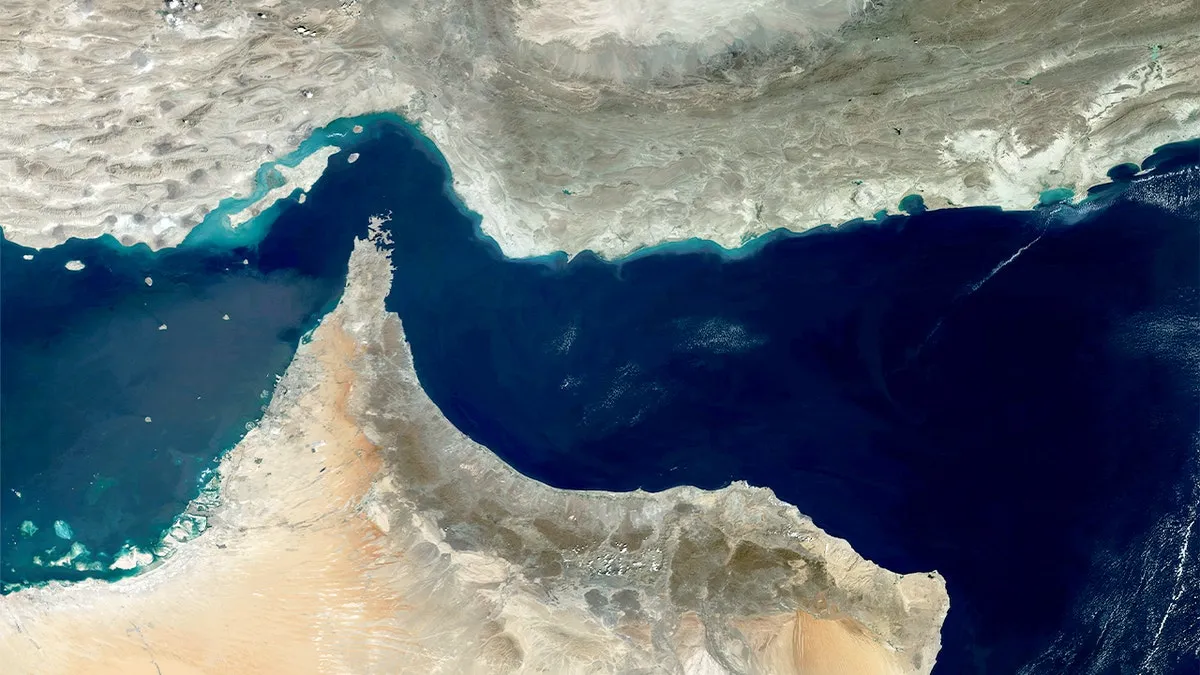
In a dramatic escalation of tensions in the Middle East, President Donald Trump announced on April 12, 2026, that the United States will initiate a blockade of the strategically vital Strait of Hormuz. This decision follows a breakdown in peace negotiations with Iran, which lasted 21 hours and ultimately failed to yield any agreements. The blockade aims to control the waterway and prevent Iran from imposing tolls on tankers, a move that has already begun to ripple through global oil markets.
“Effective immediately, the United States Navy, the Finest in the World, will begin the process of BLOCKADING any and all Ships trying to enter, or leave, the Strait of Hormuz,” Trump declared, signaling a new phase in the ongoing conflict that has seen significant military engagement since the U.S. and Israel launched a war on Iran on February 28. The conflict has resulted in over 3,000 deaths in Iran and widespread destruction of infrastructure.
The U.S. Navy is set to interdict vessels that have paid Iran for passage through the strait, a move that raises questions about how the U.S. will verify these transactions. The blockade is expected to severely impact traffic through the Strait of Hormuz, which is responsible for transporting about one-fifth of the world’s oil and liquefied natural gas shipments. Following Trump’s announcement, oil prices surged, with U.S. crude rising 8% to $104.24 a barrel and Brent crude increasing by 7% to $102.29.
Iran’s Revolutionary Guards have issued a stern warning, stating that any military vessels approaching the strait would be viewed as a violation of the ceasefire. This warning underscores the heightened risks of military confrontation in an already volatile region. The Iranian government has also denied U.S. claims that two of its warships passed through the strait for mine-clearing operations, further complicating the narrative surrounding the blockade.
Observers note that the blockade could have far-reaching implications not only for U.S.-Iran relations but also for countries heavily reliant on Iranian oil, such as China. The international community is watching closely to see how these nations will respond to the U.S. actions. Oman’s Foreign Minister Badr Albusaidi has urged for the ceasefire to be extended and for talks to continue, reflecting a desire for diplomatic solutions amidst rising tensions.
As the situation unfolds, uncertainties remain. It is unclear how the U.S. will determine which vessels have paid Iran a toll, and the exact number of mines laid by Iran in the strait is still not confirmed. Additionally, the potential reactions from nations dependent on Iranian oil could alter the geopolitical landscape significantly.
With the blockade set to begin at 10 a.m. ET (2 p.m. GMT) on Monday, the world awaits the next moves from both the U.S. and Iran. The Strait of Hormuz, a critical chokepoint for global energy supplies, is now at the center of a geopolitical standoff that could redefine power dynamics in the region.