
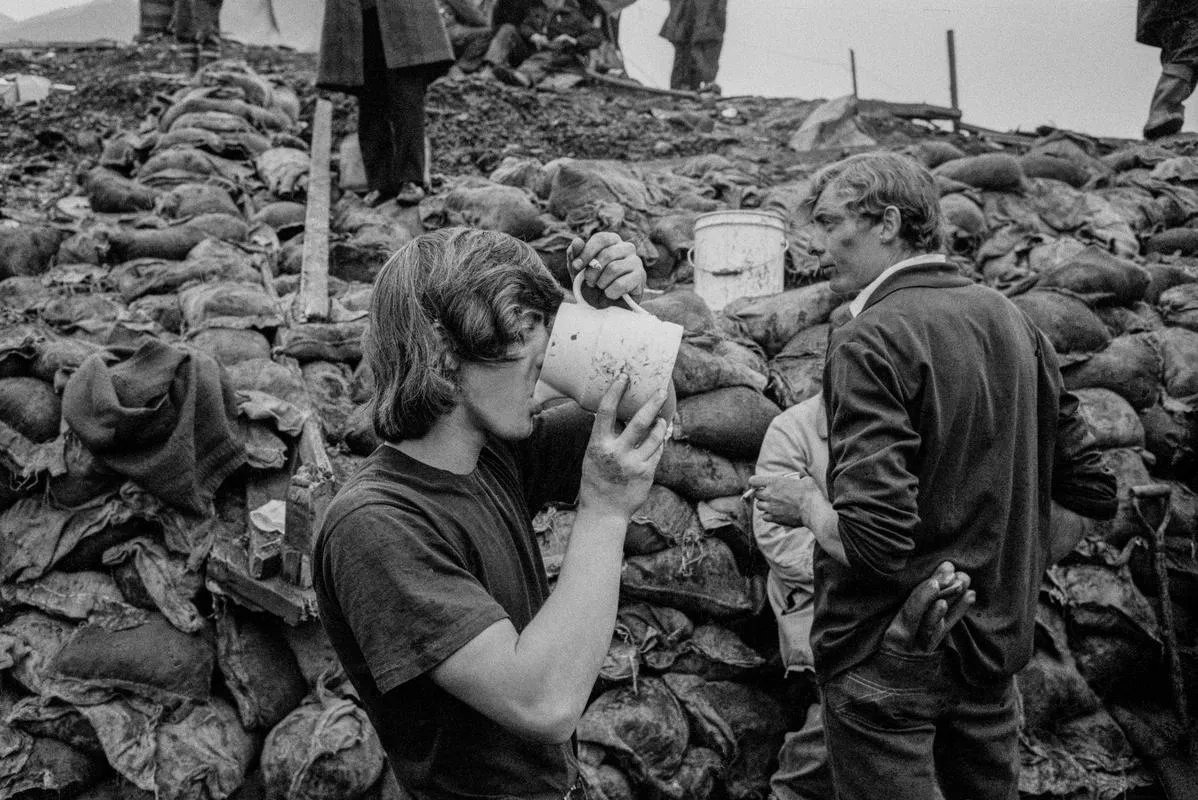
Overview of the Aberfan Disaster
On the morning of October 21, 1966, the village of Aberfan was preparing for the final day of school before the half-term break. Children were hanging up their coats and teachers were calling the register when a catastrophic event unfolded.
The Origins of the Tragedy
The roots of the Aberfan disaster can be traced back to the early 20th century. In 1916, the nearby Merthyr Vale Colliery ran out of tipping space on the valley floor, leading to the construction of seven vast spoil tips on the mountainside above the village. By 1966, only Tip 7 remained active, and it was built over natural underground springs, rendering it dangerously unstable.
Warnings Ignored
Residents had repeatedly expressed concerns about the stability of the tip, submitting letters and raising complaints at community meetings. Despite these warnings, no action was taken to mitigate the risks associated with the spoil tip.
The Collapse
On that fateful morning, persistent heavy rain had soaked the valley, causing water to accumulate within the tip and saturating the coal waste. Just before 7:00 am, Tip 7 began to shift, and at approximately 9:15 am, it collapsed. An estimated 140,000 cubic yards of liquefied coal waste surged downhill with devastating force, obliterating homes, farms, and the local primary school.
Impact and Legacy
The Aberfan disaster resulted in the tragic loss of 144 lives, including 116 children. The event remains a poignant reminder of the consequences of neglecting safety warnings and the importance of community awareness in preventing such tragedies.
Current Relevance
Today, the Aberfan disaster is trending as discussions about mining safety, environmental regulations, and community safety continue to resonate. The anniversary of the tragedy often prompts reflection on the lessons learned and the ongoing importance of vigilance in similar communities.