
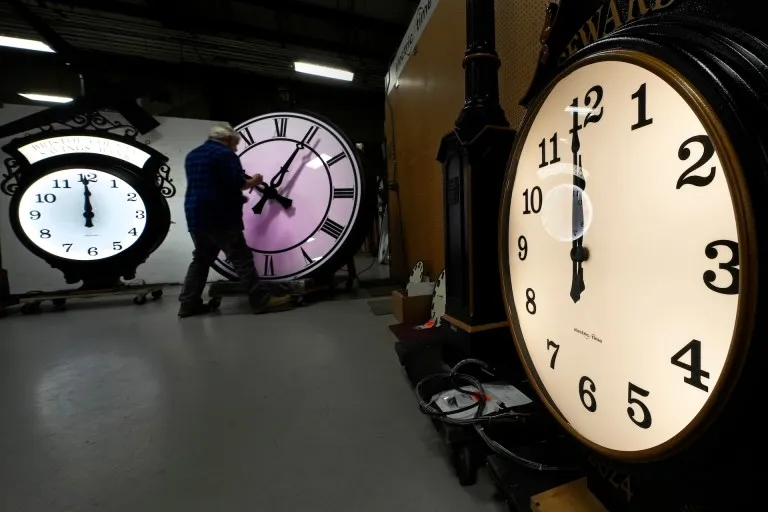
Impact of Daylight Saving Time in 2026
Daylight saving time will begin on March 8, 2026, at 2 a.m. local time, resulting in clocks being set forward one hour to 3 a.m.. This change is expected to disrupt sleep patterns for over 300 million people across the United States, highlighting the significant impact of this biannual adjustment.
The practice of adjusting clocks has been in place in the U.S. since 2007, with the aim of making better use of daylight during the longer days of summer. However, the necessity and effects of daylight saving time continue to be debated.
For many, the transition means that sunrise and sunset will occur one hour later, which can affect daily routines and activities. This adjustment is particularly relevant for those who rely on natural light for their work or leisure.
Notably, not all regions in the U.S. observe daylight saving time. Hawaii and most of Arizona do not participate in this time change, while the Navajo Nation does. Additionally, U.S. territories such as American Samoa and Puerto Rico also do not observe daylight saving time.
As the date approaches, many are reminded of the potential disruptions caused by the time change. The adjustment can lead to sleep deprivation and has been linked to various health issues, prompting discussions about the future of daylight saving time.
In British Columbia, for instance, 93 percent of residents support the idea of year-round daylight saving time, reflecting a growing sentiment that the twice-yearly clock changes may no longer be necessary.
Daylight saving time will end later in the year on November 1, 2026, marking another opportunity for individuals to adjust their schedules once again. This cyclical nature of time changes continues to be a topic of interest and concern.
Details remain unconfirmed regarding any potential changes to the daylight saving time policy in the future, but discussions are ongoing as to whether the practice should be reevaluated or abolished altogether.