
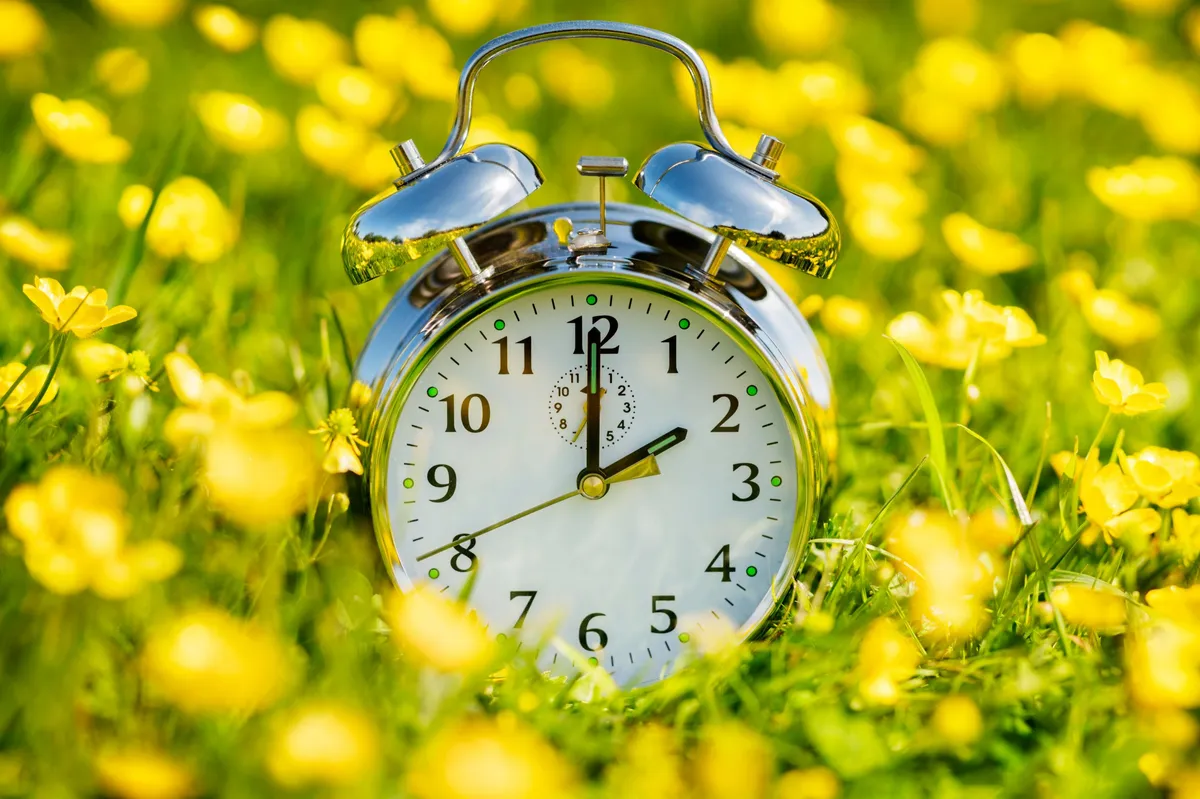
Daylight Saving Time 2026
Daylight Saving Time for 2026 starts on Sunday, March 8, at 2 a.m. local time in most of the United States. On this date, clocks will ‘spring forward’ by one hour, effectively creating a 23-hour day.
Since 2007, daylight saving time has been observed on the second Sunday of March. Prior to this change, the clocks were set forward on the first Sunday of April. This adjustment has been part of a long-standing tradition in the U.S., which first adopted daylight saving time in 1918 as a measure to conserve fuel during World War I.
In 2026, daylight saving time will be in effect for a total of 238 days, concluding on November 1, when clocks will revert back one hour. Notably, only two states, Hawaii and Arizona, do not observe this time change, opting instead to maintain standard time year-round.
The U.S. Senate passed a bill in 2022 aimed at moving to permanent daylight saving time, reflecting a growing sentiment among the majority of U.S. adults who oppose the current system of changing clocks twice a year. This ongoing debate highlights the complexities and challenges associated with timekeeping practices in modern society.
Daylight saving time has historical roots beyond its initial adoption in 1918; it was also utilized during World War II. The practice has evolved over the years, with various adjustments made to its start and end dates. The current schedule has been in place for over a decade, but discussions about its efficacy and necessity continue.
As the 2026 date approaches, observers are keenly watching the ongoing discussions regarding potential changes to daylight saving time. While the Senate’s 2022 bill indicates a desire for permanence, the details remain unconfirmed as to whether such changes will be implemented before the next time change.
In summary, as the clocks prepare to go forward on March 8, 2026, the conversation surrounding daylight saving time remains active, with many advocating for a more consistent approach to timekeeping.