
Understanding Daylight Saving Time
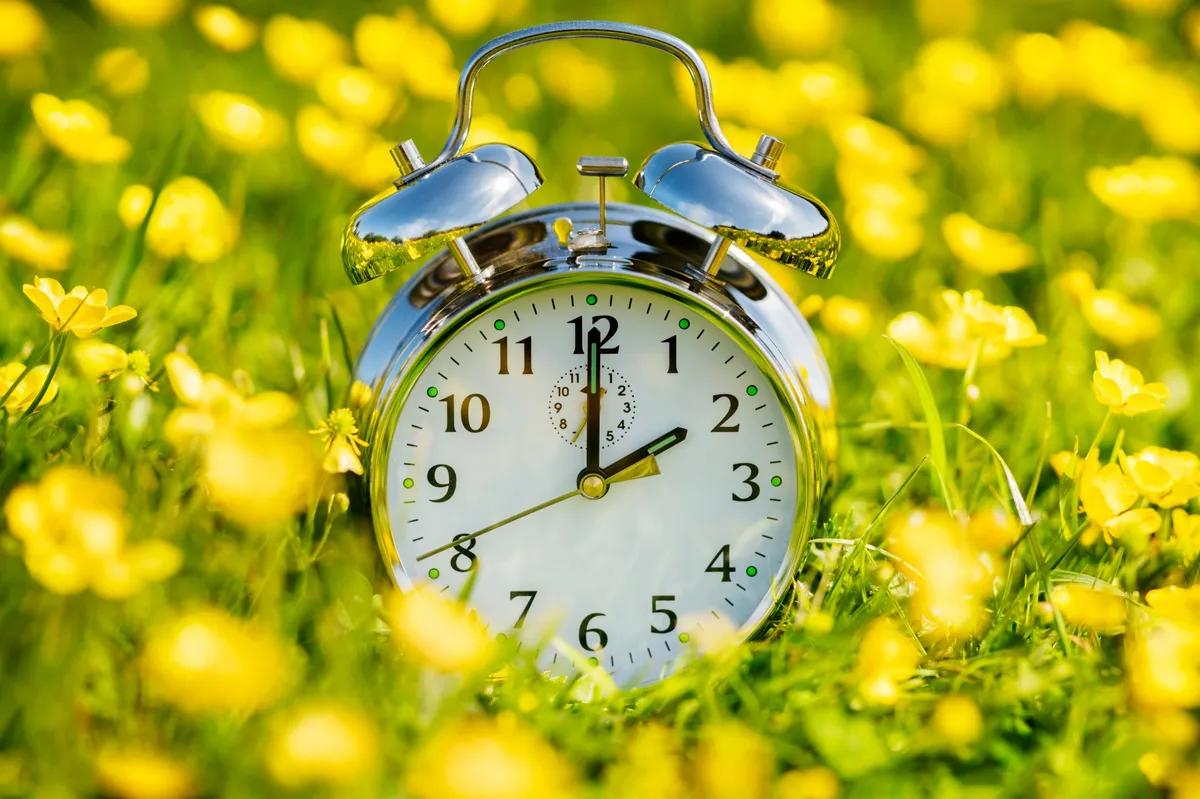
“The clocks go forward, meaning at 2 a.m. on March 8, all clocks go forward an hour to 3 a.m.” This statement encapsulates the upcoming change as Missouri prepares for the start of Daylight Saving Time in 2026.
Daylight Saving Time will officially commence on Sunday, March 8, 2026, at 2 a.m. Central Time in Missouri. This annual event requires residents to set their clocks forward by one hour, effectively losing an hour of sleep.
The practice of adjusting clocks was first proposed by George Hudson in 1895 and has been a part of American life since it became official in 1918. The concept was initially introduced to conserve energy during World War I.
As the clocks spring forward, many people may feel the impact on their sleep patterns. Dr. Maja Schaedel noted, “Losing an hour of sleep has a significant impact on our body’s circadian rhythm,” highlighting the physiological effects of this time change.
In addition to Missouri, the UK will also observe a similar change, with clocks going forward on March 29, 2026. The phrase “spring forward, fall back” is commonly used to help people remember which way to adjust their clocks.
Daylight Saving Time will conclude later in the year on November 1, 2026, at 2 a.m. local time, when clocks will revert back, allowing for an extra hour of sleep.
Historically, the practice has faced criticism and support alike, with some states opting out entirely. Arizona and Hawaii, for instance, do not observe Daylight Saving Time.
The first day of spring in 2026 will occur shortly before the time change, on March 20 at 9:46 a.m. CT, marking a seasonal transition that many look forward to.
As the date approaches, residents are encouraged to prepare for the time change and consider its effects on daily routines. The Royal Observatory Greenwich has clarified what the onset of British Summer Time means for sleep patterns, a concern shared across regions.
With the March equinox also occurring on March 20, 2026, the arrival of spring will be accompanied by longer daylight hours, a welcome change for many.
Details remain unconfirmed regarding any potential changes to the observance of Daylight Saving Time in the future, but for now, the clock change remains a fixture in the calendar.