
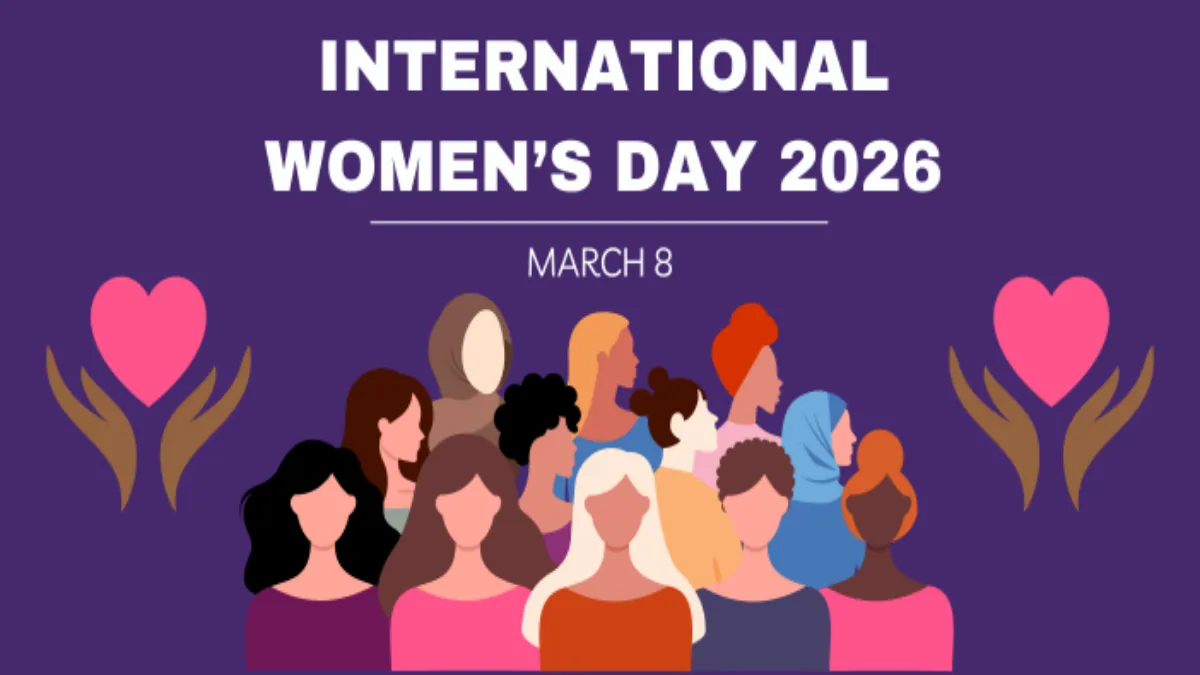
Understanding International Women’s Day
The history of Women’s Day traces back to the early 20th century, during a time when women were campaigning for better working conditions, voting rights, and equal pay. International Women’s Day is celebrated every year on 8 March, serving as a platform to highlight the achievements of women and address ongoing challenges such as gender discrimination and pay gaps. The day encourages communities to reflect on the progress made in gender equality and the work still required.
The first National Women’s Day was celebrated in the United States on 28 February 1909. The idea of an annual international day to promote women’s rights was proposed at the International Socialist Women’s Conference in Copenhagen in 1910. This pivotal moment laid the groundwork for what would become a global observance of women’s contributions across various fields.
Recent Developments
As the world approaches the next International Women’s Day on 8 March 2026, significant strides continue to be made in recognizing women’s achievements. The IPC International Women’s Day Recognition Awards, held since 2013, honor individuals and organizations that have made impactful contributions to women’s rights and representation.
Acknowledging Achievements
This year, Lucha Villar Galvez, President of the National Paralympic Committee of Peru, and Shakhnoza Mirziyoyeva, First Deputy Chairperson of the National Paralympic Committee of Uzbekistan, were recognized for their efforts in promoting women’s participation in sports. Villar Galvez expressed her gratitude, stating, “I’m honoured to receive the 2026 IPC International Women’s Day Recognition award. It’s a celebration of hard work, but more importantly, it’s a celebration of the community of women who make success possible.”
Progress in Sports
World Para Ice Hockey has also seen a remarkable increase in female representation, rising from 1% in 2021 to nearly 20% in 2025. The inaugural Women’s World Championships in Para ice hockey took place last year, showcasing the growing opportunities for women in sports. Shakhnoza Mirziyoyeva remarked, “I am proud to be part of a movement where sport creates real opportunities and drives meaningful progress.”
Looking Ahead
As International Women’s Day approaches, observers and officials anticipate further advancements in gender equality and women’s rights. Andrew Parsons, a prominent figure in the sports community, noted, “The success of the first-ever Women’s World Championships in 2025 is an example of how to develop women’s sport from the grassroots right through to the high-performance level.” This sentiment reflects a broader commitment to fostering an inclusive environment for women across various sectors.
International Women’s Day remains a crucial occasion to celebrate the social, economic, cultural, and political contributions of women. As the date approaches, communities worldwide will engage in discussions and activities aimed at promoting gender equality and recognizing the vital role women play in society.