
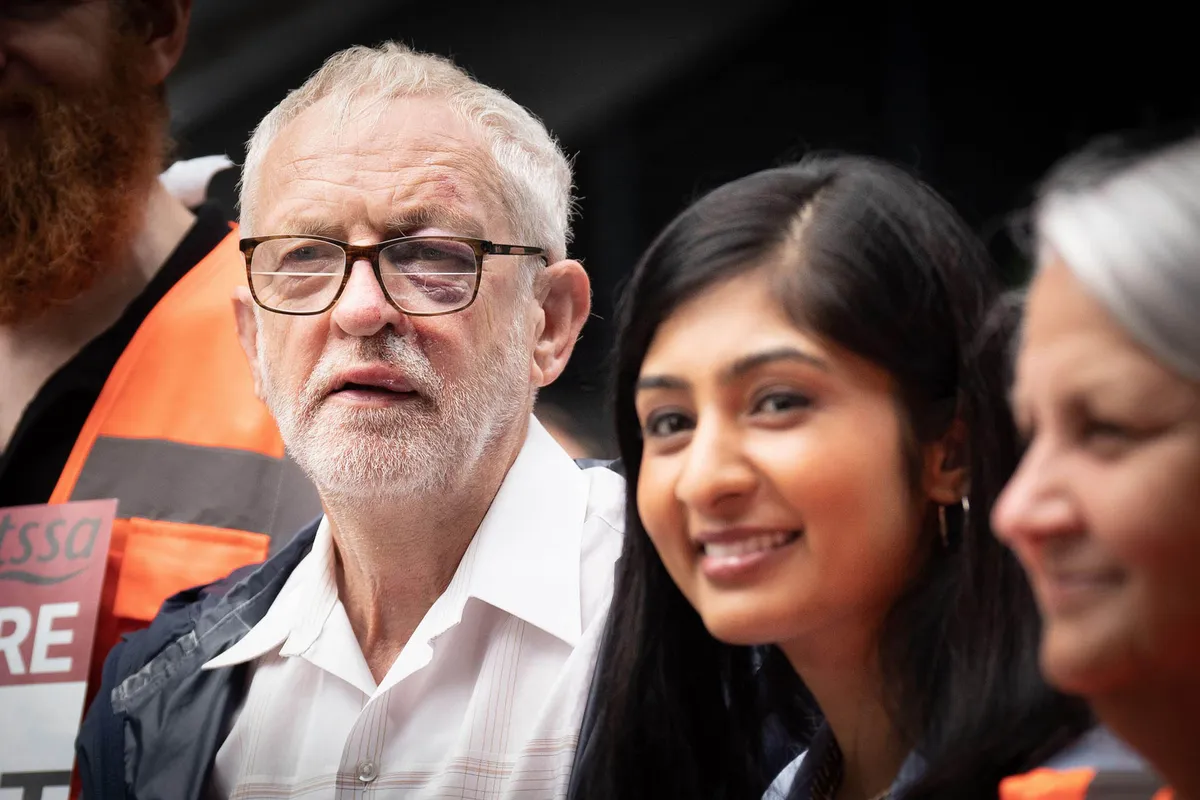
On April 20, 2026, Zarah Sultana, a Labour MP, was suspended from the House of Commons for a period of five days following her refusal to withdraw a statement in which she labeled Keir Starmer as a “bare-faced liar.” This incident unfolded during a session in which Speaker Lindsay Hoyle intervened, ultimately asking Sultana to leave the chamber.
According to documents and reports from the session, Sultana’s suspension was not merely procedural; it stemmed from her insistence on speaking out against what she termed as the Prime Minister’s gaslighting of the nation. The Speaker’s directive—”Leave now, I’ll name you otherwise, I’d go now if I were you”—indicates the gravity of her defiance in the face of parliamentary decorum.
This event is particularly notable given the context of recent parliamentary proceedings where accusations of dishonesty have triggered disciplinary actions. Just prior to Sultana’s suspension, Lee Anderson was also removed from the House for similar remarks directed at the Prime Minister. The fact that both incidents occurred within a short timeframe raises questions about the current climate within UK politics regarding accountability and truthfulness among its leaders.
Documents show that under Parliamentary protocol, MPs are prohibited from accusing other members of lying without subsequently withdrawing such statements—a rule that Sultana seemingly disregarded in her assertion. Her comments have sparked discussions about freedom of speech within parliamentary debates and whether such regulations stifle genuine discourse.
In addition to losing pay during her suspension, which is standard procedure for such disciplinary actions, Sultana expressed that she felt it was her duty to tell the truth in Parliament. Her statement—”I have a duty to the House to tell the truth”—reflects a tension between adherence to parliamentary rules and personal convictions regarding integrity in political dialogue.
The last instances of MPs being suspended occurred back in July 2022 when Alba Party MPs Neale Hanvey and Kenny MacAskill faced similar consequences. This historical parallel may serve as an indication of how infrequently such measures are enacted but also highlights an ongoing struggle within Parliament regarding acceptable discourse and accountability.
Reactions to this incident have varied widely among political observers and constituents alike. Some view Sultana’s stance as a necessary challenge to perceived dishonesty at high levels of government; others argue that her actions undermine parliamentary respect and order. As political tensions continue to rise, this suspension could serve as a pivotal moment in discussions surrounding transparency and integrity within UK politics.
As further developments unfold regarding this incident, including any potential appeals or subsequent statements from involved parties like Keir Starmer or Lindsay Hoyle, it remains essential to monitor how these dynamics influence public perception and parliamentary procedures moving forward.