
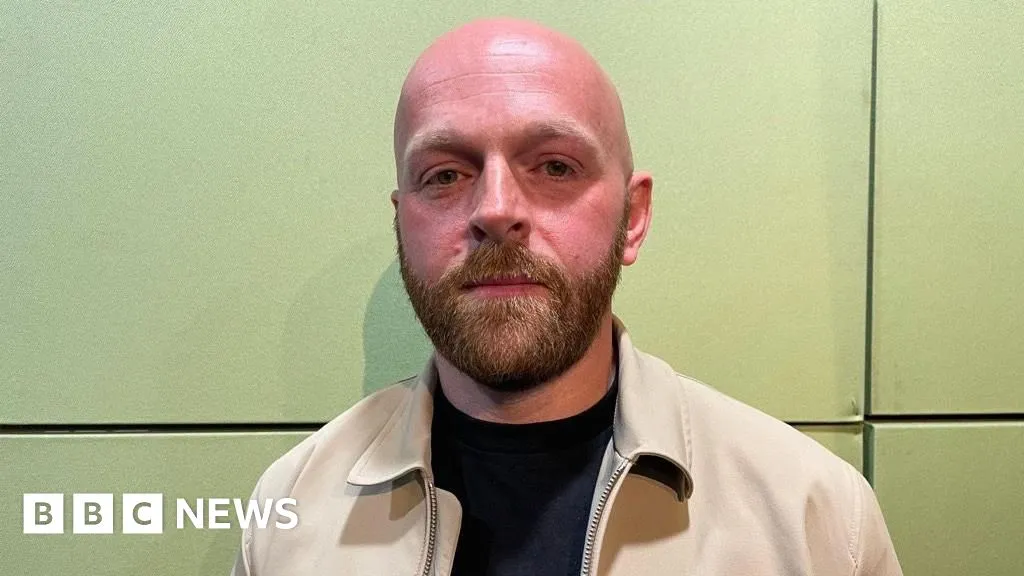
On December 3, 2022, a significant incident unfolded at a Morrisons store in Aldridge, near Walsall, that would lead to the dismissal of Sean Egan, a manager with nearly three decades of service. According to documents, Egan was involved in an altercation with a shoplifter who had been observed placing bottles of Jack Daniel’s whiskey into a bag. This confrontation escalated when the shoplifter became aggressive and spat in Egan’s face, prompting him to attempt to escort the individual out of the store.
In the aftermath of this incident, it was reported that Morrisons conducted an investigation into Egan’s actions. Sources indicate that the company found he had failed to adhere to its do-not-detain policy for shoplifters—an established guideline designed to ensure the safety of both employees and customers. This policy is ostensibly intended to mitigate risks associated with potential confrontations, which can escalate quickly and unpredictably.
Egan’s dismissal came as a shock not only to him but also to many who had known him during his lengthy tenure at Morrisons. “I was asking him to leave when I was spat on the side of my face,” Egan recounted, reflecting on the moment that led to his termination. He further expressed feelings of betrayal by the company’s response, stating, “There was no empathy. It was cut-throat from the beginning, no emotion.” Such sentiments illustrate the emotional toll that this incident has taken on him personally.
Since his dismissal, which sources confirm has left him without income and struggling financially—Egan has reportedly missed multiple mortgage payments—questions have arisen regarding the broader implications for employee safety and corporate responsibility within retail environments. Morrisons has maintained that the health and safety of colleagues and customers is paramount; however, critics argue that this stance may inadvertently discourage employees from intervening in situations where theft occurs.
Details remain unconfirmed about whether Egan intends to return to retail after this incident, which could significantly impact his career trajectory at age 46. His experience raises essential questions about how companies balance employee actions against established policies designed for safety. In an industry where customer interactions can often be unpredictable, the stakes for frontline workers are particularly high.
Moreover, while Morrisons’ policy aims to protect employees from potential harm during confrontations with shoplifters, it is critical to consider whether such policies adequately address real-world scenarios where employees feel compelled to act in defense of their workplace. The balance between adhering strictly to corporate protocols and responding appropriately in high-pressure situations remains a contentious issue.
The circumstances surrounding Sean Egan’s dismissal not only highlight individual struggles but also reflect broader tensions within retail environments regarding employee rights and responsibilities. As this case continues to unfold, it may serve as a catalyst for discussions about necessary changes in store policies that take into account both safety and the realities faced by those working on the front lines.