
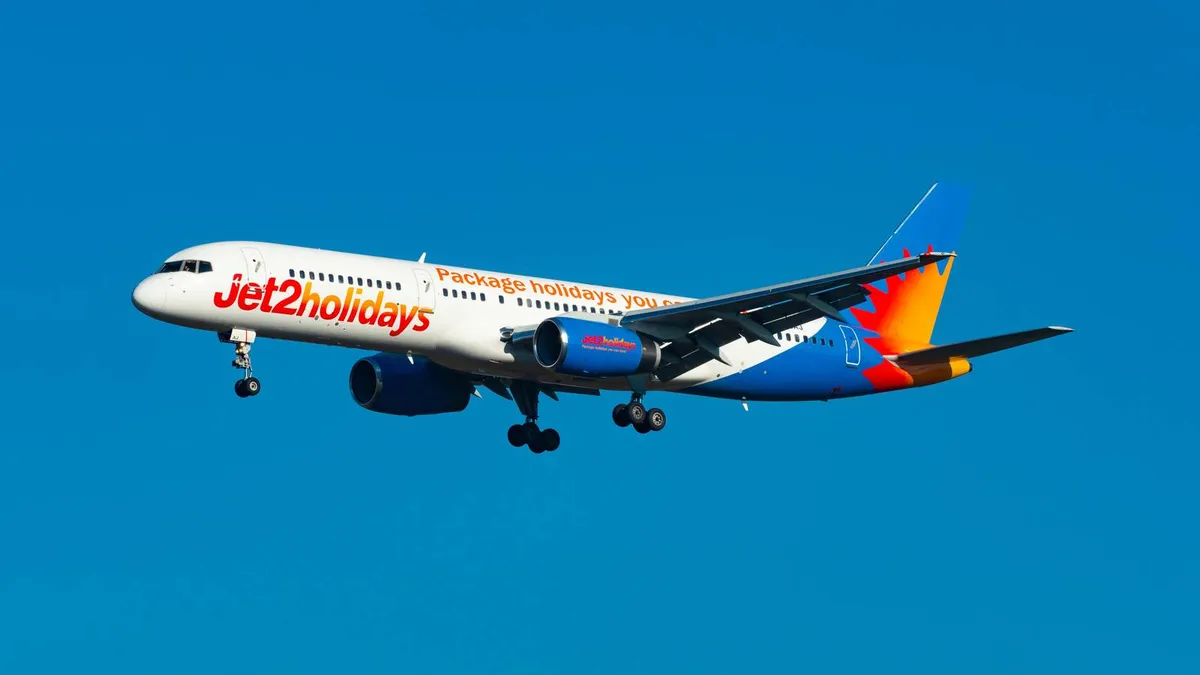
A father and his young son prevented a potentially costly flight diversion by calming a violent passenger mid-air on a Jet2 flight from Izmir to Manchester on April 25, 2026. The incident unfolded when cabin crew were moments away from diverting the flight due to the disruptive behavior of a female passenger who became violent after her alcohol was confiscated.
As tensions escalated, the father, identified as Phoenix, decided to intervene. He swapped seats with another passenger to sit beside the woman, while his eight-year-old son, James, engaged her in conversation using football cards. This approach appeared effective in de-escalating the situation.
The immediate impact of their intervention was significant; the flight continued on its route to Manchester without any diversions. According to sources, the cabin crew remarked that they had saved Jet2 considerable costs by avoiding an unscheduled landing.
The boy’s calming presence and engaging tactics not only helped stabilize the situation but also ensured that all passengers remained safe during the remainder of the journey. Upon landing, police were waiting to address the disruptive passenger’s behavior.
Experts suggest that such interventions can play a crucial role in maintaining passenger safety and comfort during flights. The airline later recognized Phoenix and James for their actions by awarding them free flight vouchers as a token of appreciation.
Jet2’s spokesperson expressed gratitude towards both individuals, stating, “I want to say a massive thank you to you both on behalf of everybody at Jet2.” This incident highlights how timely interventions can mitigate potential crises in aviation environments.
The flight had already experienced delays prior to this incident due to an earlier disruption involving 20 passengers being transferred from another canceled flight. Ultimately, this situation underscored the importance of maintaining calm in high-stress scenarios.
In light of this event, it is essential for airlines to consider strategies that empower passengers and crew alike in handling difficult situations effectively. Such measures could enhance overall safety protocols and improve responses to similar challenges in the future.