
“May Day is a vivid reminder that working-class politics is not a spectator sport,” stated an unidentified participant at the Leeds May Day march, which featured prominent speakers advocating for workers’ rights amidst a backdrop of global challenges to public services.
The event, organized by Leeds TUC in collaboration with Stand Up To Racism, took place against the historical significance of May Day, which has its roots in both Roman and Celtic traditions. The Leeds march included notable figures such as Paul Novak, Jane Aitchison, and Richard Burgon MP, who spoke passionately about the ongoing struggles faced by workers today.
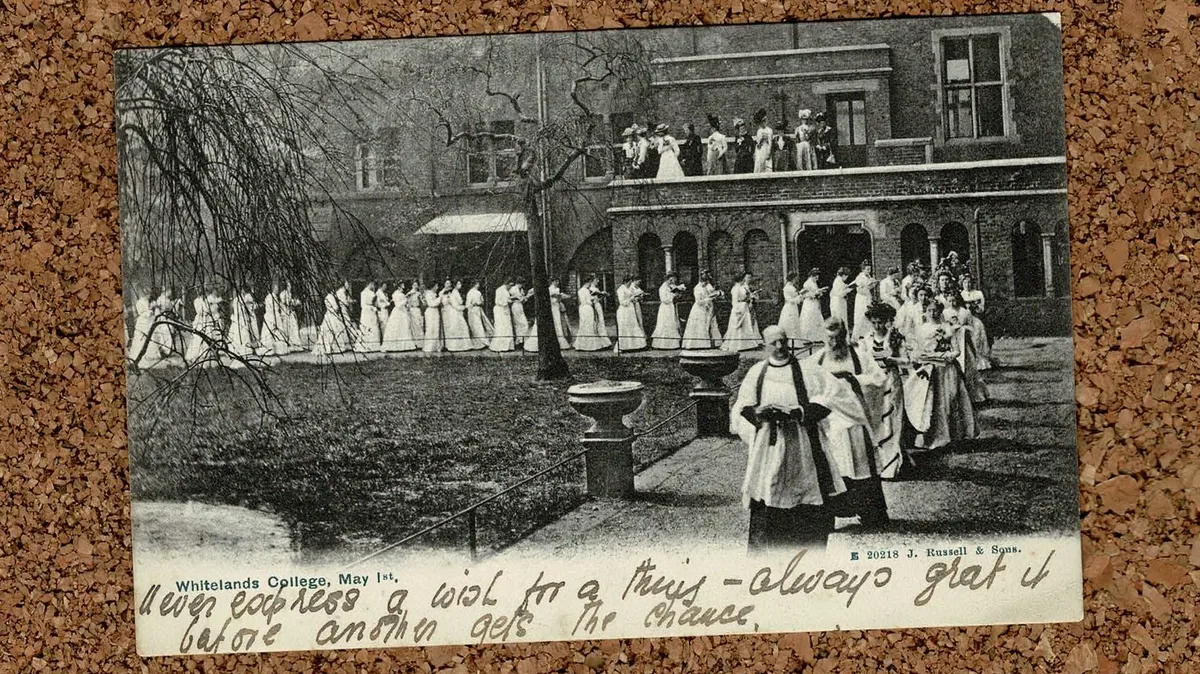
Historically, May Day celebrations have evolved significantly since their inception; for instance, the ceremony at Whitelands College was inaugurated by John Ruskin in 1881, featuring traditional elements such as processions and maypole dancing. The college itself was founded in 1841 as a training institution for women teachers, reflecting the changing societal roles over time.
As part of their addresses, speakers underscored the importance of solidarity among workers, particularly in light of recent statistics indicating that organizations like Fórsa have welcomed 10,000 new members in just 2024 alone. Furthermore, the growing membership of unions such as UNISON — which saw a net growth of 20,000 members last year — highlights an increasing demand for better public services and fair labor practices.
The challenges extend beyond local borders; community health workers across South Africa have mobilized around 27,000 individuals advocating for their integration into the public health workforce. This reflects a broader trend where labor movements are increasingly addressing systemic inequalities and advocating for comprehensive reforms within various sectors.
The upcoming Public Service Fightback conference scheduled to take place in Spain this September aims to further these discussions on a global scale. As these events unfold, it is clear that the fight for workers’ rights remains urgent and necessary.
Khady Diaga’s poignant declaration — “You can fire me if you want, but I will not stop asking for better pay” — encapsulates the determination of many who participated in this year’s May Day march. With ongoing dialogues surrounding public services and labor rights gaining momentum across various platforms, it appears that the spirit of May Day continues to inspire action and advocacy.