
Key Developments in Dijon
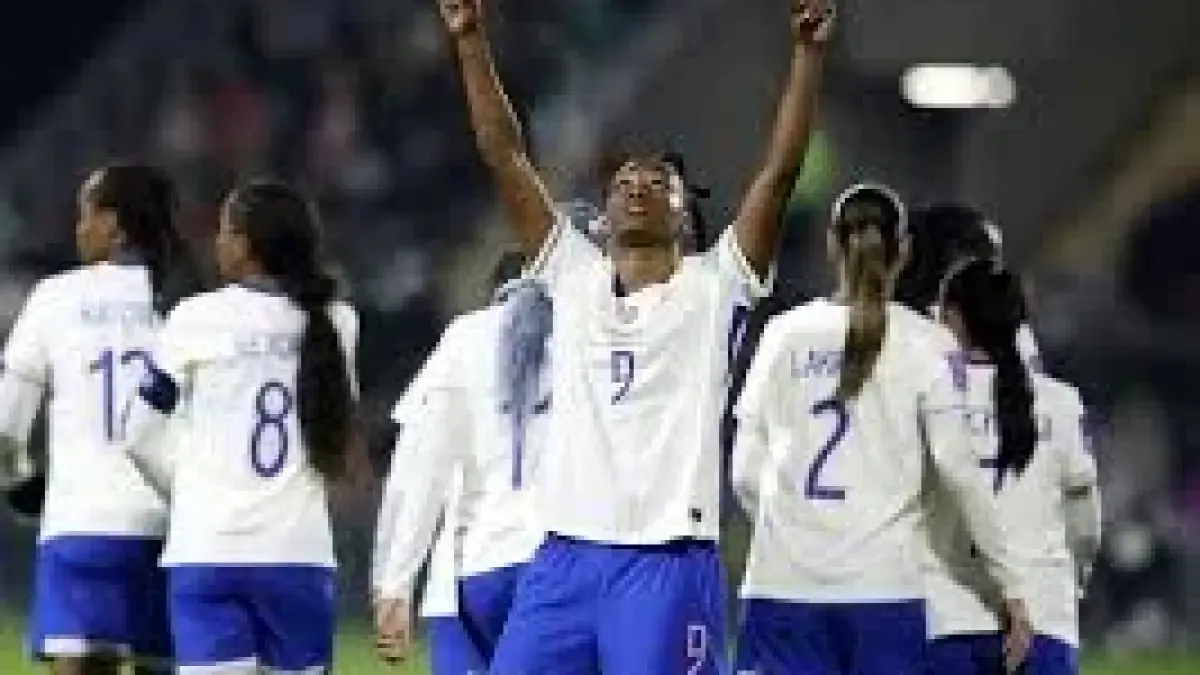
On March 8, 2026, Dijon, France, became a focal point for both sports and social advocacy. Just before the key developments of the day, the French women’s football team was preparing for a crucial World Cup qualifying match against Poland. This match was not only significant for the team’s standings but also set the stage for a day filled with events celebrating women’s rights and equality.
As the match commenced, France displayed an aggressive front-foot pressing style, quickly taking control of the game. By the end of the match, France secured a decisive 4-1 victory over Poland, with the Polish team reduced to 10 players during the match. This win marked an impressive achievement for France, who finished first in their group at the end of the international stage. Grace Geyoro, a key player, remarked, “The target was two victories, and that mission was accomplished with conviction.” This victory also extended France’s run to 11 straight matches with a goal conceded, showcasing their defensive strength.
Equality Fortnight in Chambéry
Simultaneously, Chambéry was hosting a 15-day Equality Fortnight, culminating on the same day. This initiative included a variety of events such as shows, film discussions, conferences, workshops, and exhibitions aimed at promoting gender equality. The collective du 8 mars organized a feminist program in Le Puy-en-Velay, which attracted more than a hundred participants. The program featured a procession, speeches, songs, and a participatory puzzle, all designed to raise awareness about women’s rights and LGBT+ rights.
Rachel Fusier and Juliette Montaigu, among others, were instrumental in organizing these events, which included a screening-debate focusing on women who were institutionalized at Bon Pasteur institutes. This aspect of the program highlighted the ongoing struggles faced by women in various societal contexts. The collective, which included trade unions and local associations, emphasized the importance of accessibility in their initiatives, with one participant stating, “Accessibility is treated as a language choice, not an afterthought.”
Current State of Affairs
As of now, Dijon stands at the intersection of sporting success and social advocacy. The French women’s football team has solidified its position in the World Cup qualifiers, while local groups continue to push for gender equality and women’s rights. The events of March 8 serve as a reminder of the ongoing efforts needed to address these issues, particularly in light of the recent activities organized by the collective du 8 mars.
The combination of documentary debates, school outreach, street processions, participatory puzzles, and cultural performances indicates a strategic approach that blends memory work, direct support services, and public demonstration. This multifaceted strategy has raised questions about the future of civic programs, with observers noting, “The real question now is whether this participatory model becomes a template for future civic programs.” The success of these initiatives in Dijon could inspire similar movements in other regions, emphasizing the need for continued advocacy and engagement.
Overall, the events in Dijon on March 8, 2026, encapsulate a significant moment where sports and social justice intersect, highlighting the importance of both in shaping a more equitable society.