
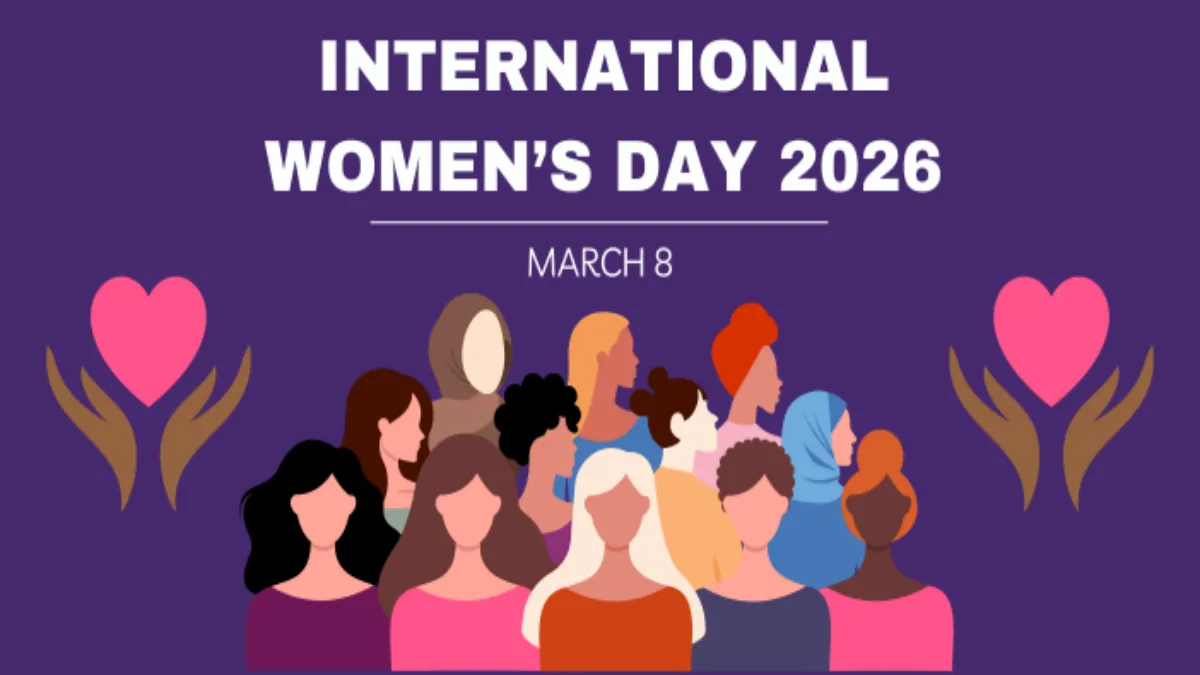
International Women’s Day: A Global Celebration
International Women’s Day is celebrated every year on 8 March to honour the achievements of women worldwide and to highlight the ongoing fight for gender equality. The theme for International Women’s Day 2026 is #GiveToGain, focusing on driving gender equality through collective action.
The first National Women’s Day was celebrated in the United States on 28 February 1909, marking the beginning of a movement that has grown significantly over the decades. The idea for International Women’s Day was coined in 1910 by German women’s rights activist Clara Zetkin, leading to the first official celebration in 1911. Since 1975, the United Nations has sponsored this important day, underscoring its global significance.
Despite progress, challenges remain. In 2024, only 14% of SMEs with employees in the UK were female-led, a decrease of 1% from the previous year. Additionally, the median gender pay gap for full-time employees in the UK was reported at 6.9% in 2025. These figures highlight the ongoing disparities that women face in the workplace.
In the corporate sector, progress is being made, albeit slowly. FORVIA, a prominent company, reported that women represent more than 28% of the Top 300 in 2025, a significant increase from 13% in 2018. The company aims to achieve 30% women in the Top 300 and 35% among managers and skilled professionals by 2030, reflecting a commitment to enhancing female representation in leadership roles.
However, the fight for equality is not just about numbers. In 2025, 15% of women reported feeling discriminated against due to their gender, compared to 8.5% of men. This disparity underscores the need for continued advocacy and action to create a more equitable environment for all genders.
Judit Mora, a representative from FORVIA, emphasized the importance of International Women’s Day, stating, “We approach IWD as a prompt for action and conversation rather than a one-day celebration.” This sentiment resonates with many advocates who believe that the day should serve as a catalyst for ongoing dialogue and change.
The history of Women’s Day traces back to the early 20th century, during a time when women were campaigning for better working conditions, voting rights, and equal pay. As we look ahead to 2026, observers expect that International Women’s Day will continue to inspire action, raise awareness, and motivate societal change. The importance of Women’s Day lies in its ability to raise awareness, inspire action, and motivate societal change.