
What observers say
“Tomorrow will be the saddest day for Muslim worshippers in Jerusalem,” lamented Hazen Bulbul, a local resident, reflecting the profound sense of loss felt by many as they prepare for Eid al-Fitr. This year, the traditional Eid Namaz will be overshadowed by the unprecedented closure of the al-Aqsa mosque, a site of immense spiritual significance for Muslims worldwide. The mosque has been closed for Eid prayers for the first time since 1967, a decision driven by heightened security concerns amid ongoing tensions in the region.
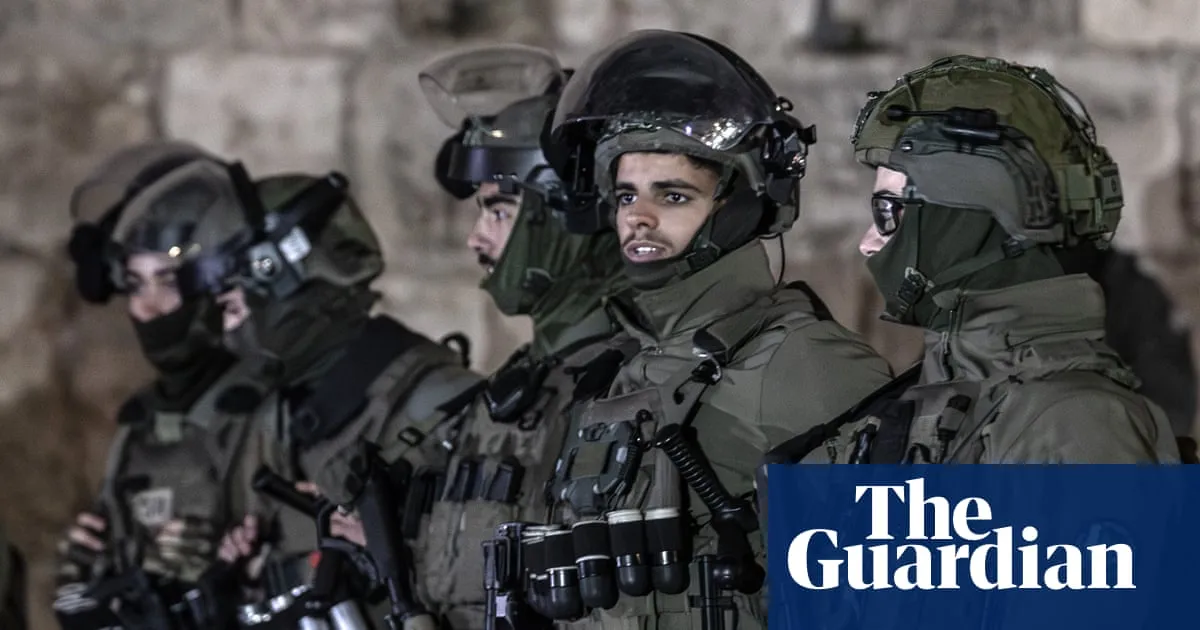
As Israeli police barricaded the entrances to the mosque, hundreds of worshippers gathered outside the Old City, seeking to maintain their connection to the sacred occasion despite the restrictions. The atmosphere was charged with a mix of frustration and determination, as many Muslims expressed their desire to celebrate Eid, a time traditionally associated with gratitude, generosity, and community.
The closure of al-Aqsa mosque is not just a local issue; it is emblematic of a broader Israeli strategy to tighten control over the site, which has historically been a flashpoint for conflict. The significance of this year’s Eid is further deepened by the fact that it marks the end of Ramadan, a month of fasting from dawn until dusk, which is a time for reflection and spiritual growth.
In stark contrast to the situation in Jerusalem, Saudi Arabia has announced the Eid al-Fitr prayer timings across its major cities, with Makkah set to hold prayers at 6:39 am, Madinah at 6:40 am, and Riyadh at 6:12 am. These celebrations will proceed as planned, offering a sense of normalcy and joy for the millions of Muslims participating in the festivities.
In the UK, local mosques are also preparing for Eid celebrations. The Maidenhead Mosque will hold an Eid prayer and sermon, while Jamia Ghousia Masjid in Slough has scheduled four prayer sittings throughout the day, starting with the first at 8 am. The Windsor Muslim Association will host the annual Eid in the Park celebration, beginning with prayers at 9 am, bringing together the community in a spirit of unity and joy.
Despite the festive preparations elsewhere, the sentiment among those affected by the closure of al-Aqsa mosque remains somber. Sadeeqa Omar, another local resident, poignantly noted, “The joy of Eid is incomplete” without the ability to gather at one of Islam’s holiest sites. This sentiment resonates deeply within the community, underscoring the emotional weight of the day.
As the sun rises on March 20, 2026, Muslims around the world will observe Eid al-Fitr, but for many in Jerusalem, the day will be marked by a sense of mourning and reflection. The closure of al-Aqsa mosque has not only disrupted a cherished tradition but has also highlighted the ongoing struggles faced by the Muslim community in the region.
Looking ahead, the situation remains fluid, and many are hopeful for a resolution that will allow for the reopening of al-Aqsa mosque in the near future. Until then, the community will continue to navigate the challenges posed by the current circumstances, holding onto their faith and the hope for a brighter tomorrow.