
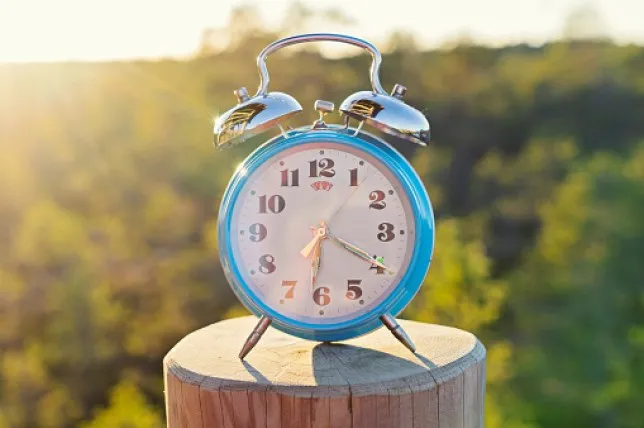
Daylight Saving Time (DST) has been a topic of debate since it was first proposed by William Willett in 1907. The practice, which involves moving clocks forward by one hour in spring, aims to make better use of daylight during the longer days of summer. In the United Kingdom, the clocks go forward at 1am on the last Sunday in March, marking the start of British Summer Time (BST), which lasts until the final Sunday in October when the clocks revert to standard time.
On March 29, 2026, the clocks indeed went forward, prompting renewed discussions about the necessity and impact of this time change. Recent polling indicates that 59% of Britons would prefer to remain on BST year-round if the time changes were abolished. This sentiment reflects a growing dissatisfaction with the biannual clock adjustments.
Health experts have raised concerns about the adverse effects of DST. Research shows a 24% increase in heart attacks on the day following the switch to daylight saving time, and there is also a noted rise in hospital admissions for strokes. Dr. John O’Neill highlighted the phenomenon, stating, “It is like everybody in the country gets an hour’s jet lag, all at the same time.” This collective disruption can have significant implications for public health.
Moreover, the change to DST can exacerbate existing health issues. Charlie Morley noted, “What research shows is what a massive effect on the body and mind, just one extra hour [of sleep] can have.” The psychological impact of sleep disruption is profound, with studies indicating that a lack of sleep can heighten activity in the brain’s fear center, the amygdala, by 60%.
Interestingly, while DST was initially adopted to conserve energy and reduce crime—thanks to increased visibility in the evenings—modern studies suggest that most countries do not observe DST. Only about a third of countries participate in this time change, raising questions about its relevance today. As Dr. O’Neill remarked, “I’m sure it was extremely useful for our forebears 100 years ago, but there is quite a strong argument for just having permanent daylight saving these days.”
The phrase “spring forward, fall back” has been part of the calendar for over 100 years, serving as a mnemonic for the time change. While most electronic devices automatically adjust for the time change, some do not, leading to confusion for many.
As the UK continues to grapple with the implications of DST, observers are left to ponder whether the practice will remain a fixture of modern life or if a shift towards permanent daylight saving time is on the horizon. The ongoing debate highlights the need for a reassessment of how time changes affect health and societal norms.