
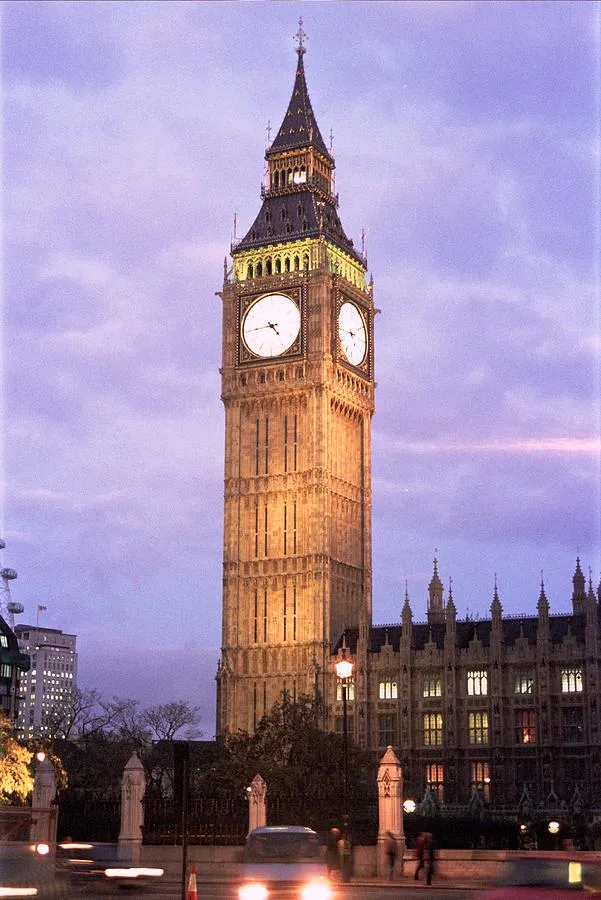
Daylight Saving Time (DST) was first proposed by builder William Willett in 1907, aiming to make better use of daylight during the longer days of summer. The practice was officially adopted by Germany in 1916, and since then, many countries have followed suit, with over 70 nations currently observing DST. In the United Kingdom, the clocks go forward by one hour at 1am on the last Sunday in March, marking the start of British Summer Time (BST), which lasts until the final Sunday in October when the clocks revert.
As the last Sunday in March approaches in 2026, the conversation around time in the UK is intensifying. Recent polling conducted in October revealed that 59% of Britons would prefer to remain permanently on BST if the time changes were abolished. This sentiment reflects a growing discontent with the biannual clock changes, which many argue no longer serve a significant benefit to modern society.
Dr. John O’Neill, a health expert, has voiced concerns regarding the health implications of the time change, stating, “It does not really serve much of a benefit to anybody these days, whilst exposing us to a small but significant series of risks.” Research indicates that incidences of heart attacks and strokes tend to increase following the clock changes, raising alarms about the potential health risks associated with DST.
Despite the automatic adjustments made by most electronic devices, some still require manual changes, leading to confusion and inconvenience for many. The phrase ‘spring forward, fall back’ is often used to help people remember which way the clocks change, yet the practice itself is increasingly being questioned.
As the UK prepares for the upcoming time change, observers are keenly watching how public opinion may influence future legislation regarding DST. With a significant portion of the population advocating for a permanent shift to BST, discussions around the practicality and necessity of time changes are expected to gain momentum.
In light of these developments, it remains to be seen whether the UK will move towards a permanent daylight saving model, as some experts argue that it could align better with contemporary lifestyles. The debate continues, with health experts and the public alike calling for a reassessment of the current system.
As the clocks went forward last night, many are left pondering the relevance of this tradition in today’s fast-paced world. The implications of such changes extend beyond mere inconvenience, touching on health and well-being, making this a critical topic for ongoing discussion.
With the next time change just around the corner, the UK stands at a crossroads regarding its approach to timekeeping. The outcome of this debate may reshape how time is perceived and managed in the future.