
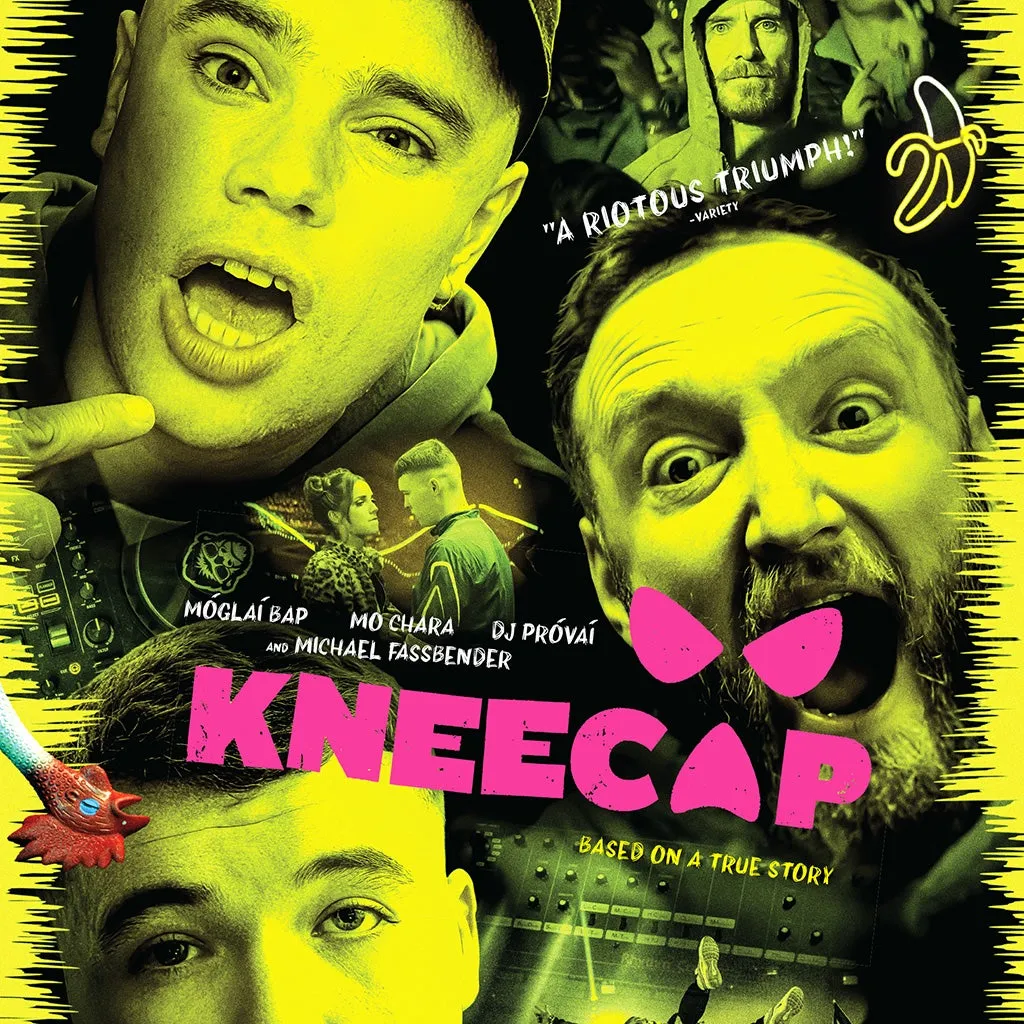
Kneecap Rapper Liam Óg Ó hAnnaidh Cleared of Terrorism Charges
Liam Óg Ó hAnnaidh, a 28-year-old rapper associated with the group Kneecap, will not face terrorism charges after the high court in London upheld a decision to dismiss the case against him. The ruling was made on March 11, 2026, following a legal battle that began when Ó hAnnaidh was charged for allegedly displaying a Hezbollah flag during a performance in November 2024.
The chief magistrate had previously rejected the case due to a filing mistake in how it was brought against Ó hAnnaidh. The high court judges, including Lord Justice Edis and Justice Linden, confirmed that the chief magistrate had no jurisdiction to try the case, deeming the charge unlawful because the attorney general’s permission was not sought within the required timeframe.
This case was initially dismissed in September 2025 due to a technical failure on the part of the prosecution, which has been characterized as a failure of the police and the Crown Prosecution Service (CPS) to act diligently under terrorism legislation.
Kneecap celebrated their legal victory, posting on Instagram: “Get in!!!!!! Kneecap: 3 Brit Govt: 0.” The group’s lyrics often criticize UK government policy on Gaza and advocate for the Irish language, reflecting their political stance.
Ó hAnnaidh expressed relief over the ruling, stating, “This entire process was never about me, never about any threat to the public and never about terrorism… it was always about Palestine.” His solicitor, Darragh Mackin, remarked that the prosecution was a “legally laughable witch-hunt,” emphasizing the case’s flawed foundation.
The CPS accepted the high court’s judgment and indicated they would update their processes accordingly. The ruling has raised questions about the implications for free speech under terrorism legislation, particularly in the context of artistic expression.
As the legal landscape continues to evolve, the case underscores the delicate balance between national security concerns and the protection of individual rights. The high court’s decision may influence future cases involving similar charges.
Details remain unconfirmed regarding any potential appeals or further actions from the CPS following this ruling. The outcome has sparked discussions about the broader implications for artists and activists in the UK.
In the wake of the ruling, the ongoing conflict in Lebanon, which has seen over 500 people killed and 100,000 displaced since the onset of the Iran assault, remains a critical backdrop for discussions surrounding free speech and political expression.