
Impact of Recent Storms
In recent weeks, the regions of Devon and Cornwall have faced significant challenges due to severe weather events, particularly Storm Goretti and Storm Ingrid. Prior to these storms, local authorities and residents had anticipated a stable winter season, with no major disruptions expected to transport or infrastructure. However, the reality has shifted dramatically as these storms have wreaked havoc, particularly in coastal areas.
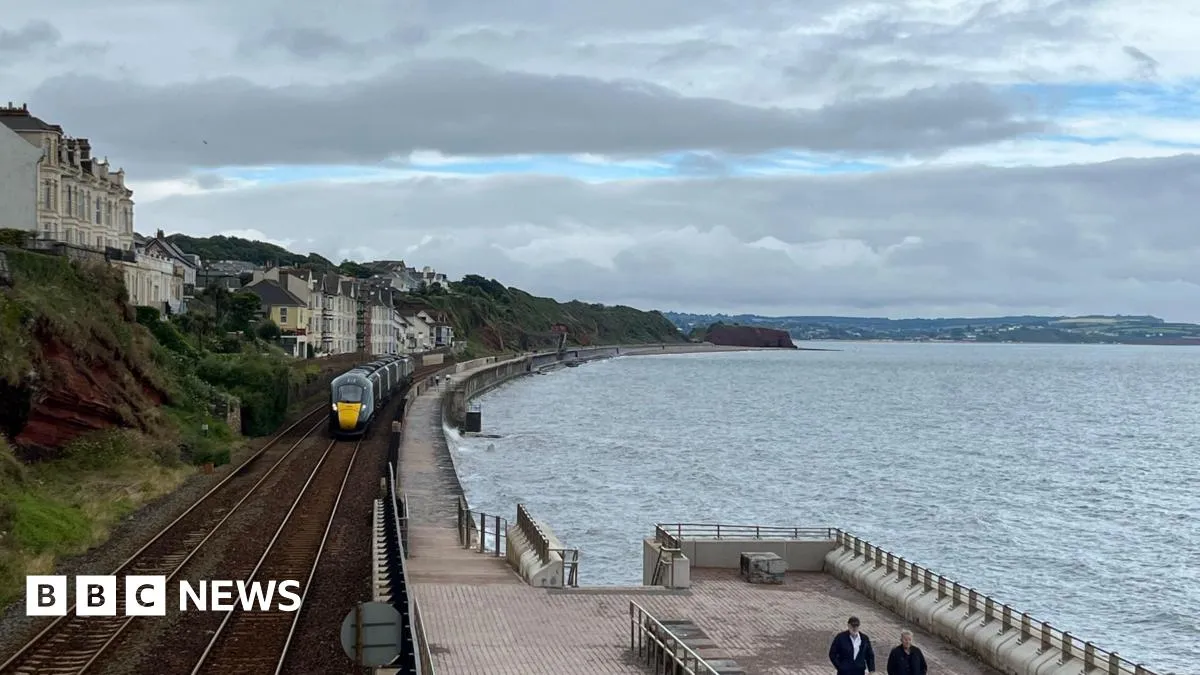
The decisive moment came when part of a seawall in Dawlish partially collapsed, leading to substantial disruption in train services across the region. Labour MPs from Devon and Cornwall have since called on the government to devise a comprehensive plan aimed at improving the rail network, which has been severely impacted by the storm damage. This situation underscores the urgent need for infrastructure resilience in the face of increasingly severe weather patterns.
Road Safety Concerns
In addition to rail disruptions, Storm Chandra has also caused significant damage to the A30 Hendford Hill in Somerset. Currently, this crucial roadway is operating southbound only due to safety concerns stemming from bank slippage and fallen trees. Somerset Council is actively working to ensure that both lanes of the A30 can be reopened as soon as possible. Councillor Richard Wilkins emphasized the importance of this reopening, stating, “It is vital we reopen both lanes as soon as possible – we’re aiming for a few weeks at the most to get the work done.” This highlights the immediate need for action to restore normalcy in transportation.
Engineering Solutions
Engineers have assessed various approaches to address the damage on the A30 Hendford Hill, considering options such as doing nothing, inspection and maintenance, and adding protective barriers. The council has decided to move forward with the option of adding a protective barrier to safely reopen the southbound carriageway. This decision reflects a proactive stance in mitigating further risks associated with the ongoing weather challenges.
Broader Economic Implications
Beyond the immediate infrastructure concerns, the storms have exacerbated existing economic challenges faced by young adults in the UK. The head of the Treasury select committee has warned of a “perfect storm” of economic difficulties, particularly as the unemployment rate approaches a five-year high, disproportionately affecting younger workers. This situation is compounded by the growing backlash against student loans, with rising interest rates and hefty repayments contributing to financial strain.
Political Repercussions
Rachel Reeves’s recent decision to freeze the threshold for student loan repayments for three years from 2027 has reignited anger over the student loan system. Meg Hillier, a member of the select committee, pointed out that young people are now facing exorbitant rents, making it increasingly difficult for them to manage their finances. She stated, “Now those young people are coming out and finding rents are sky high,” highlighting the intersection of economic pressures and housing affordability.
Future Considerations
As the government and local councils respond to the immediate impacts of the storms, there is a pressing need to consider long-term solutions that address both infrastructure resilience and the economic challenges faced by younger generations. Meg Hillier also warned that if young people are not contributing to their pensions due to financial strain, the taxpayer may ultimately bear the burden of pensioner poverty in the future. This demographic timebomb underscores the importance of addressing these issues comprehensively.
The recent storms in Devon and Cornwall have highlighted significant vulnerabilities in infrastructure and economic stability. As local authorities and the government work to address these challenges, the focus must remain on creating sustainable solutions that can withstand future weather events while supporting the economic well-being of all residents.