
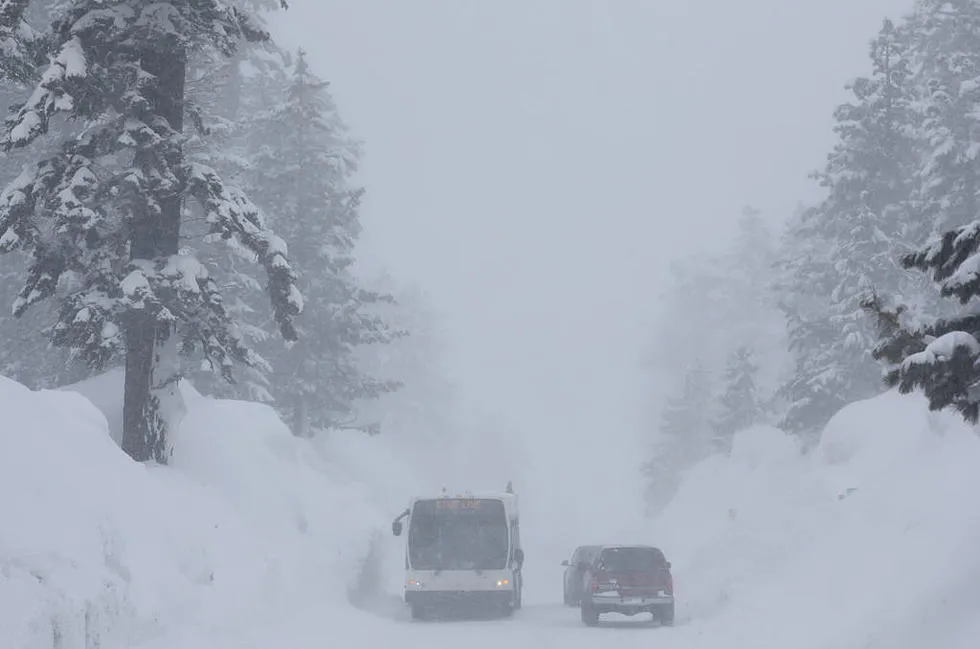
A powerful late-season snowstorm is sweeping across the United States, prompting the National Weather Service to issue heavy snow warnings for several states. The storm, which began impacting the region on [insert date], is expected to bring life-threatening cold and heavy snowfall, with some areas anticipating up to 10 inches of snow.
In New York and Vermont, the storm’s intensity is particularly pronounced, with higher elevations experiencing snowfall totals ranging from 6 to 10 inches. Meanwhile, Maine and New Hampshire are bracing for heavy snow that will fall atop a layer of freezing drizzle, creating hazardous icy conditions beneath.
In Alaska, the National Weather Service has issued warnings for up to 6 inches of snow in parts of the southeastern regions. On Hawaii’s Big Island, the summits are under a Winter Storm Warning, with additional snow and winds reaching 35 mph expected to complicate conditions further.
Snowfall rates during the peak of the storm may exceed one inch per hour, significantly increasing the risk of dangerous travel conditions. The National Weather Service has cautioned that periods of moderate snow and low visibility will be the biggest hazards for those on the roads.
This storm is linked to a volatile polar air mass moving southward, which has resulted in rapid snowfall, gusty winds, and plummeting temperatures across the affected regions. The phenomenon, often referred to as “weather whiplash,” has led to sudden and unexpected changes in weather patterns across the country.
Officials are urging residents to prepare for severe weather conditions and to stay updated on the latest forecasts. As the storm progresses, reactions from local authorities and residents are beginning to surface, with many expressing concern over the potential for power outages and travel disruptions.
As the situation develops, the National Weather Service continues to monitor the storm closely, providing updates and safety information to those in the affected areas. Heavy snowfall and strong winds are forecast for the peaks, particularly in regions like Hawaii, where the NWS-Hawaii has noted the potential for hazardous conditions.
Details remain unconfirmed as the storm continues to evolve, but the immediate focus remains on ensuring public safety and preparedness in the face of this formidable weather event.