
What Happened
This year, Ramadan began in February 2026, with the eighth day falling on February 25. On this day, Muslims will break their fast at 6:30 PM, as reported by various sources. The timing of iftar, which marks the end of the daily fast, shifts daily in accordance with sunset and the Maghrib prayer.
Why It Matters
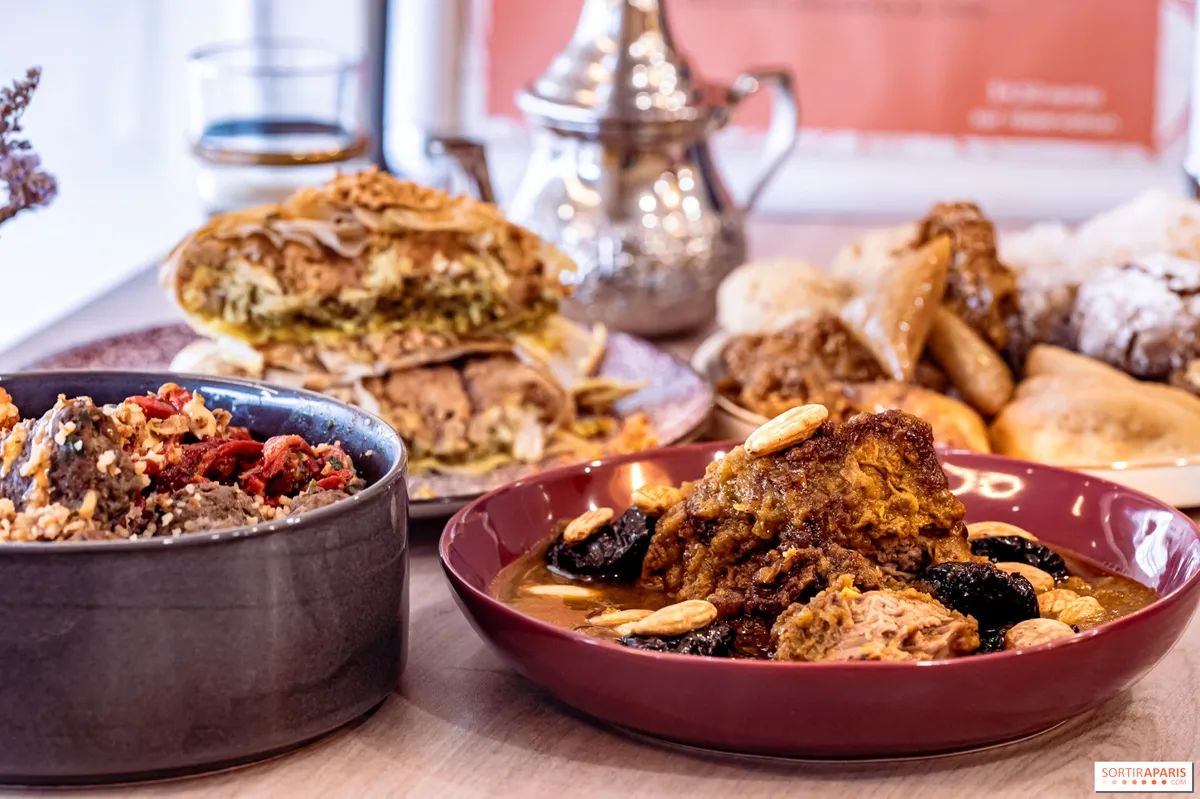
Iftar is more than just a meal; it represents a moment of collective experience for Muslims around the world. During Ramadan, individuals refrain from eating and drinking from dawn until sunset, fostering a sense of community and shared spirituality. This year, the fasting hours are gradually increasing as Ramadan occurs after the winter solstice, leading to longer days.
What’s Next
As Ramadan progresses, the times for iftar will continue to shift, reflecting the changing sunset times. The communal aspect of iftar remains significant, as it emphasizes the importance of shared experiences in a modern world often characterized by solitary eating habits. The imagery associated with Ramadan, particularly in conflict zones like Gaza, also highlights the resilience of communities during this sacred month.